
Southern Chiapas Independent Travel Guide
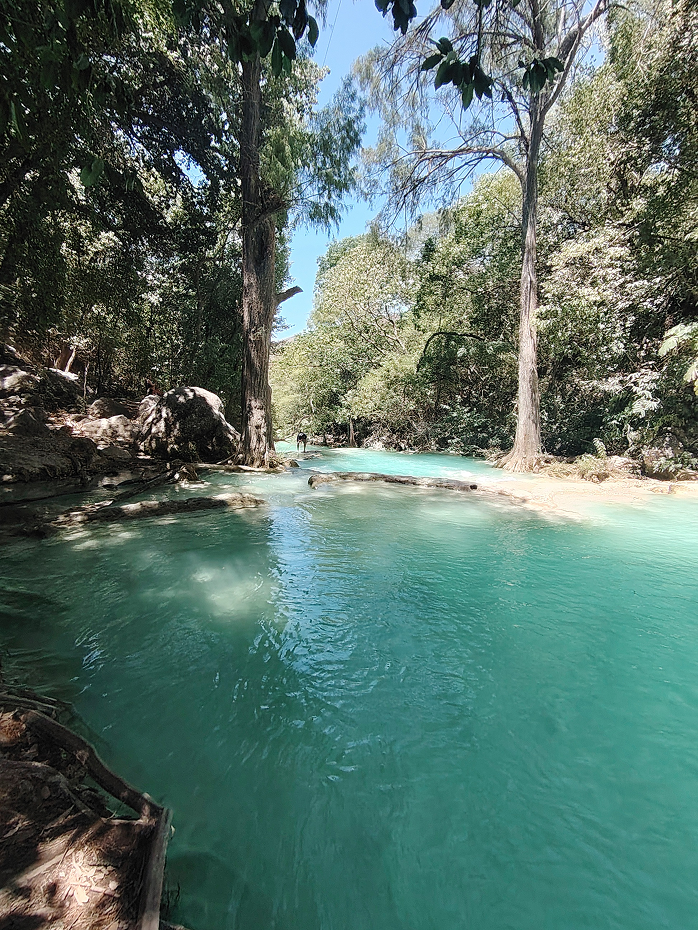
Waterfalls, Lakes, Maya Ruins & Remote Landscapes
While San Cristóbal de Las Casas gets most of the attention in the Chiapas highlands and Palenque dominates the northern jungle, southern Chiapas is a completely different part of the state. The region around Comitán de Domínguez moves from cool highland valleys into waterfalls, limestone lakes, Maya archaeological sites, and eventually the dense tropical landscapes around the Santo Domingo River.
It is also one of the better parts of Chiapas to explore independently.
You don't need to join an organized tour for every attraction, but you do need to understand how the region works. Public transport is useful, although connections become less frequent and less obvious once you leave the main towns. For me, the main advantage is simple: Comitán makes a much better base for exploring southern Chiapas than trying to reach everything from San Cristóbal.
Practical Tips
Carry Cash: Rural entrance fees, community-run tourism cooperatives, and local colectivos are generally paid in physical Mexican pesos, so carry smaller denominations. Larger towns like Comitán have reliable ATMs, but access to cash becomes much more limited once you head toward Montebello or Las Nubes.
Weather & Seasonality: The lakes of Montebello and the waterfalls of Chiflón are at their most vibrant during or immediately following the rainy season (summer/autumn), when water levels are high. Dry season months can see lower water levels and slightly muted colors in some lakes.
Transit Timing: Plan your departures early. Public transport in rural southern Chiapas winds down by late afternoon, so always check return schedules before heading out to remote sites.
Comitán de Domínguez
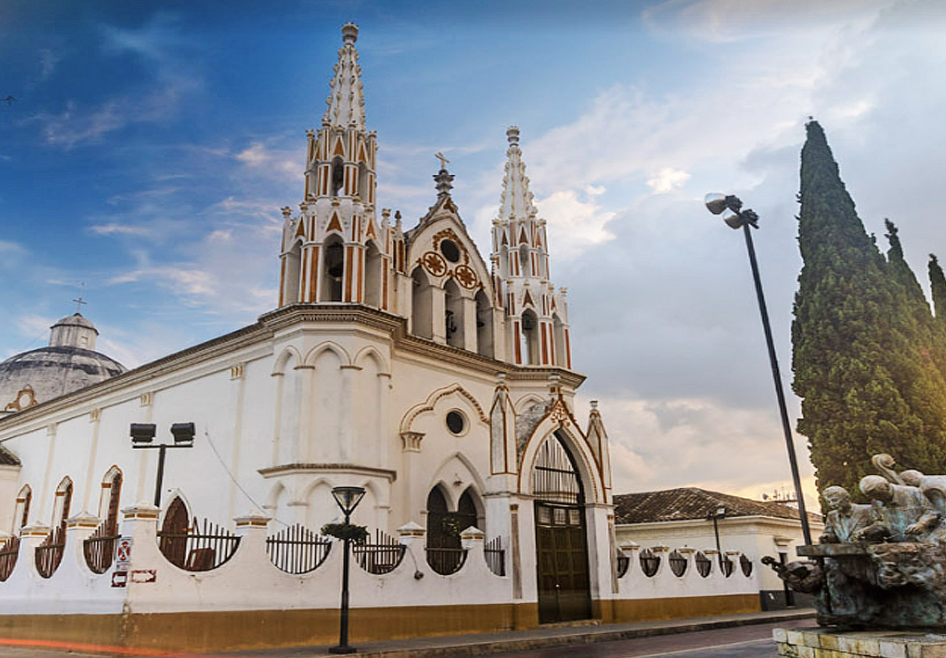
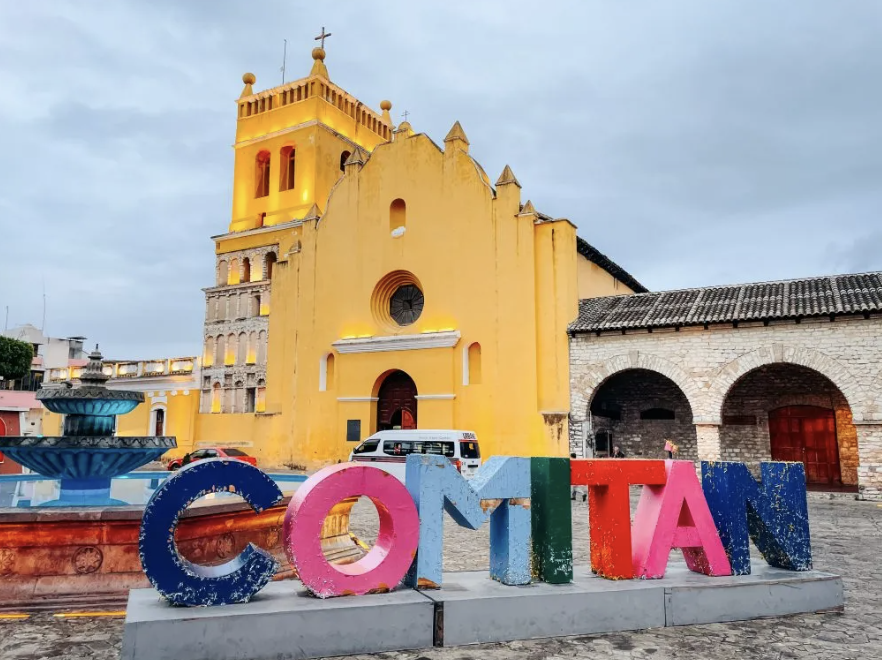
Comitán sits in the Llanos valley, surrounded by mountains but noticeably lower and warmer than San Cristóbal. The historic center is compact and walkable, with colonial and neoclassical architecture, lively plazas, local bakeries, markets, and a much more local atmosphere than Chiapas's main tourist hub. It is not a city you necessarily need to spend a week exploring, but it is an extremely useful place to stop for a few days. From here, you can reach El Chiflón, Tzimol, Tenam Puente, Montebello, and Chinkultic, while farther east the road continues toward Las Nubes.
Why Stay in Comitán?
The biggest advantage is logistics. Staying in San Cristóbal and visiting the southern attractions as day trips means spending a lot of time on the road. From Comitán, several of these places become realistic independent excursions rather than exhausting full-day transfers. Comitán also gives you access to supermarkets, ATMs, restaurants, pharmacies and other services before heading into more remote areas.
Getting There
Frequent colectivos and regional buses connect San Cristóbal with Comitán next to the ADO terminal. The journey generally takes around 1.5 to 2 hours depending on traffic and the exact service.T he historic center is easy to explore on foot once you arrive. For attractions outside town, colectivos and taxis are the main options. Departure points and schedules can vary, so confirm locally rather than relying entirely on an old online timetable.
Cascadas El Chiflón, The Great Canyon Waterfalls
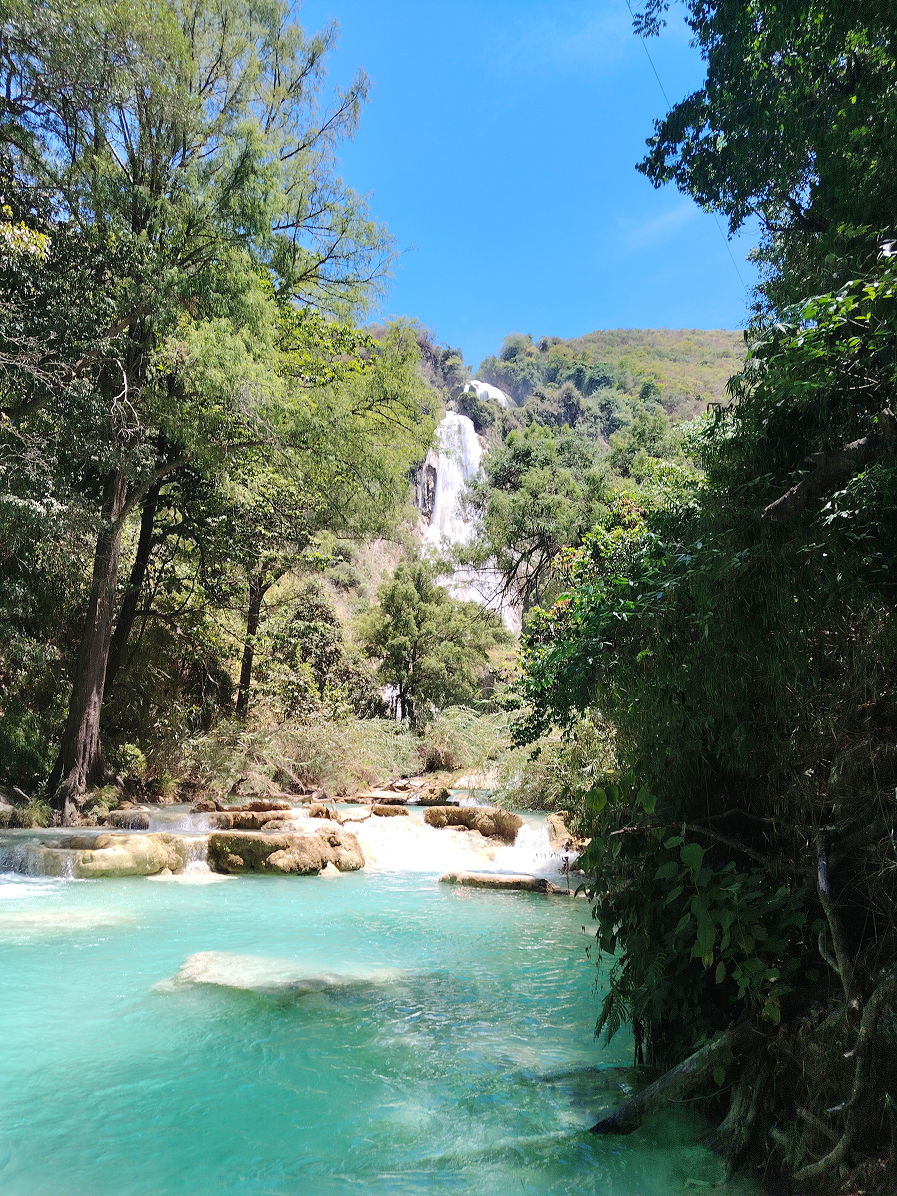
El Chiflón is probably the best-known attraction around Comitán, and for good reason. The San Vicente River drops through a series of large waterfalls surrounded by forest, with Velo de Novia forming the spectacular centerpiece.Unlike some of the more remote river attractions in Chiapas, El Chiflón is a developed ecotourism site. There are marked paths, viewpoints, restaurants, bathrooms, and additional activities such as ziplining. That also makes it one of the easiest major attractions in southern Chiapas to visit without a tour.
Entrance Fee
80 MXN per person (2026). Additional activities such as the zipline cost extra. Bring cash, as you should not rely on card payment in the park.
The Waterfall Trail
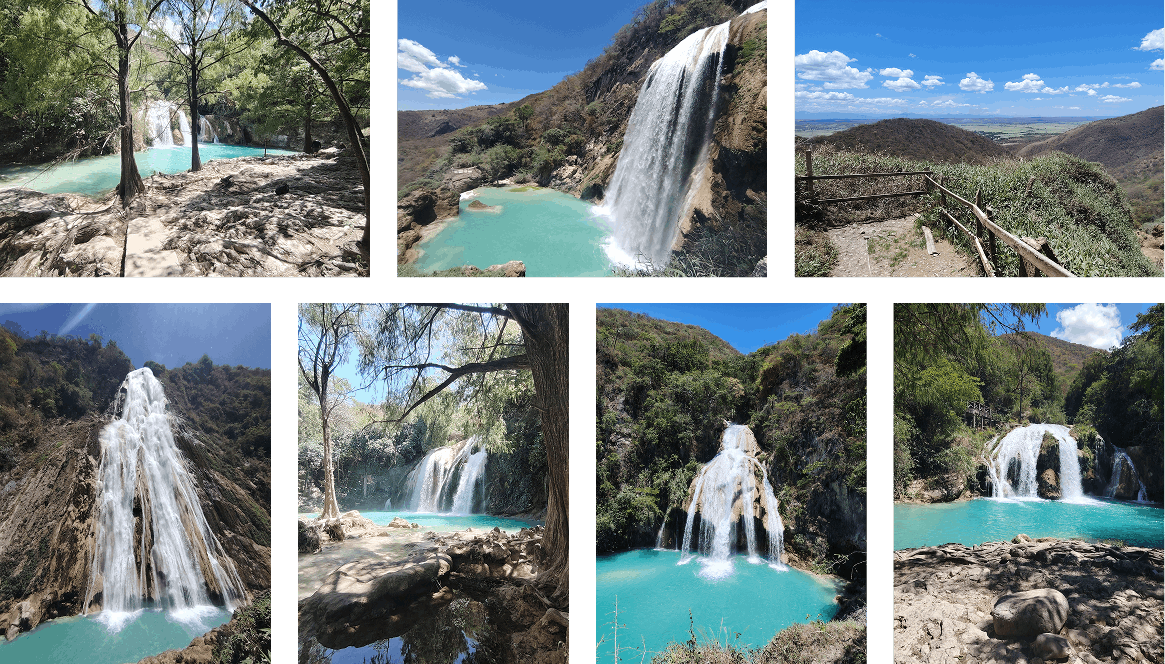
The trail follows the river uphill through several waterfalls, including El Suspiro, Ala de Ángel, Velo de Novia, and Quinceañera. The path is well established, but don't underestimate the climb if you want to reach the upper sections.Velo de Novia is the main attraction, dropping around 120 meters into the river below. The waterfalls are particularly impressive when the river is running strongly after the rainy season. During drier periods, water levels can be considerably lower.
Note that many standard excursions only allow enough time to visit the first three waterfalls rather than completing the entire route.
Getting There and How Long Do You Need?
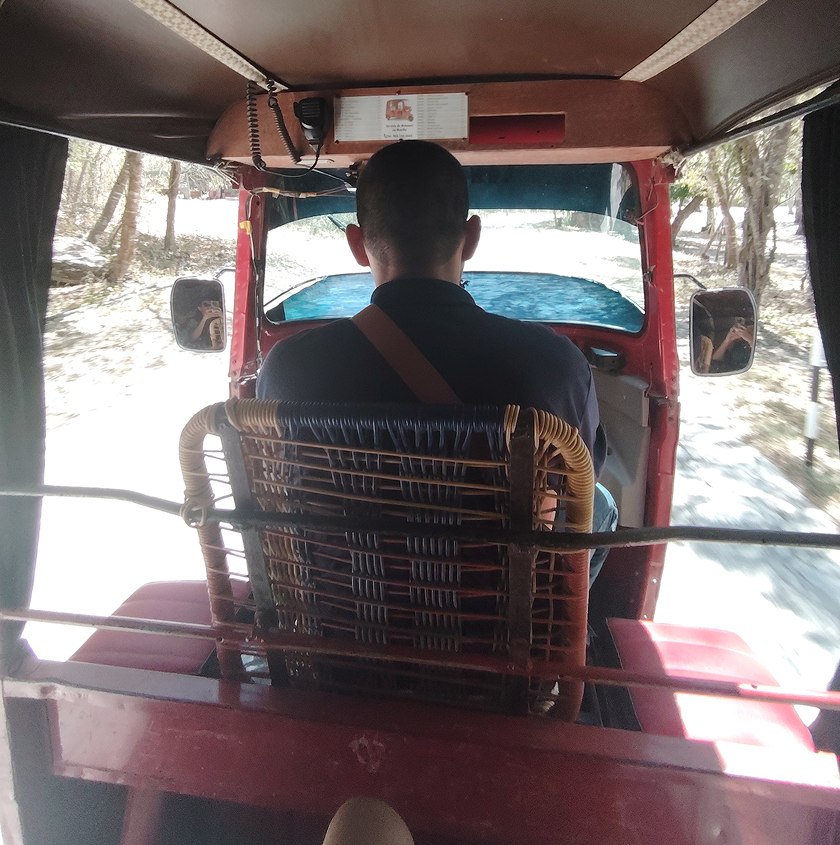
From Comitán, take a colectivo heading toward Socoltenango or Tuxtla, and ask the driver to drop you off at the turnoff for El Chiflón (about a 45-minute drive). From the main road, the park entrance is roughly a 1km walk or you can take a tuktuk for a small fee (15pesos in 2026).
Allow at least half a day. If you want to walk the entire waterfall route, stop at viewpoints, take photographs, and spend some time around the river, several hours is more realistic. Bring shoes with good grip. The trail is straightforward, but stairs, wet surfaces, and occasional mud make proper footwear worthwhile.
Las 3 Tzimoleras
Tzimol is often treated as little more than the gateway to El Chiflón, but there is another reason to come here.
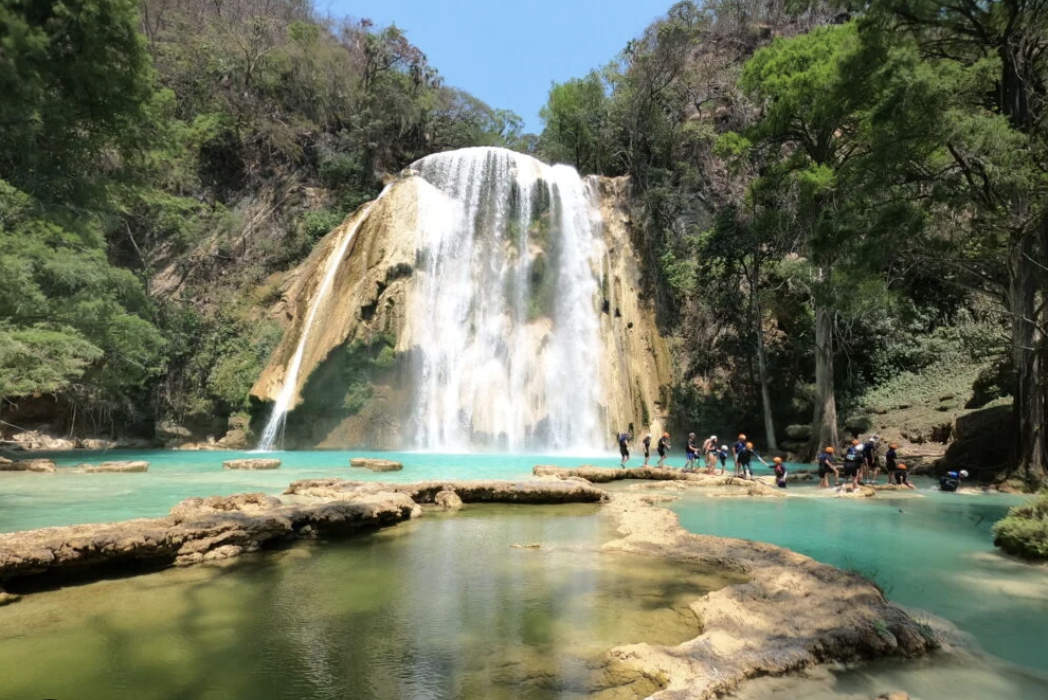
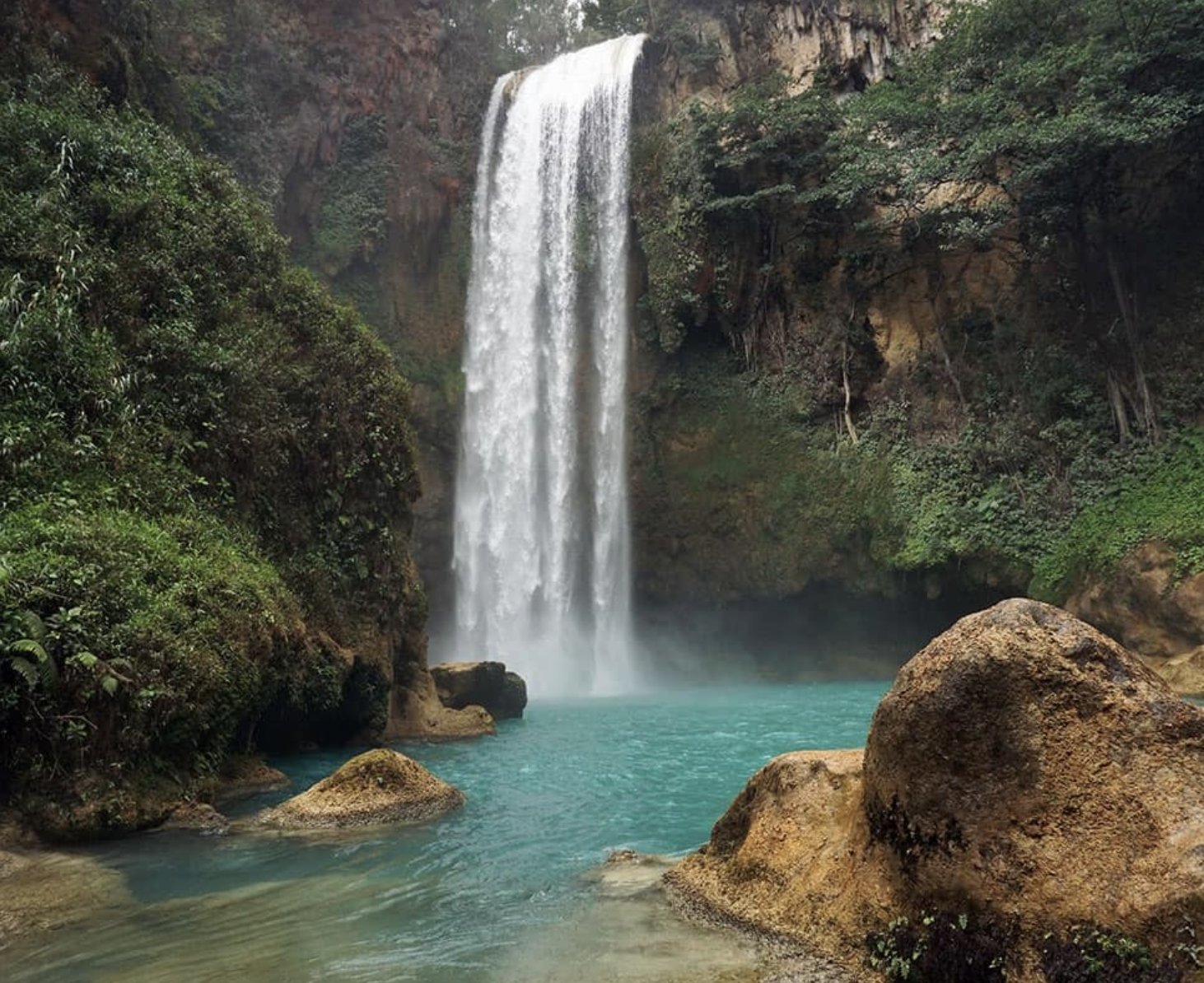
Las 3 Tzimoleras is a completely different type of waterfall experience, focused on adventure rather than walking between viewpoints. The site contains three main waterfalls, with natural pools and sections of river where activities can include swimming, waterfall jumps, rappelling, and canyoning. The setting is considerably more secluded than El Chiflón.
This Is Not Another El Chiflón
The distinction is important. At El Chiflón, you arrive at an established tourism center and follow the marked trail at your own pace. At Tzimoleras, the experience is organised around the river itself. Access to the site involves a 4x4 transfer from Tzimol, followed by walking and river activities. It is not a place where you simply arrive at an entrance, pay a ticket, and explore independently. Advance booking is therefore important. The experience is better suited to travelers looking for an active day rather than simply wanting to see a waterfall.
Getting To Las 3 Tzimoleras
From Comitán, take a colectivo heading toward Socoltenango or Tuxtla, and ask the driver to drop you off in Tzimol. The ride takes roughly 30 minutes. From Tzimol, access to Las 3 Tzimoleras is more complicated, so the final stretch is usually handled by the local operator rather than public transport. Check current prices, availability, weather conditions, and activity requirements directly before going.
Tenam Puente
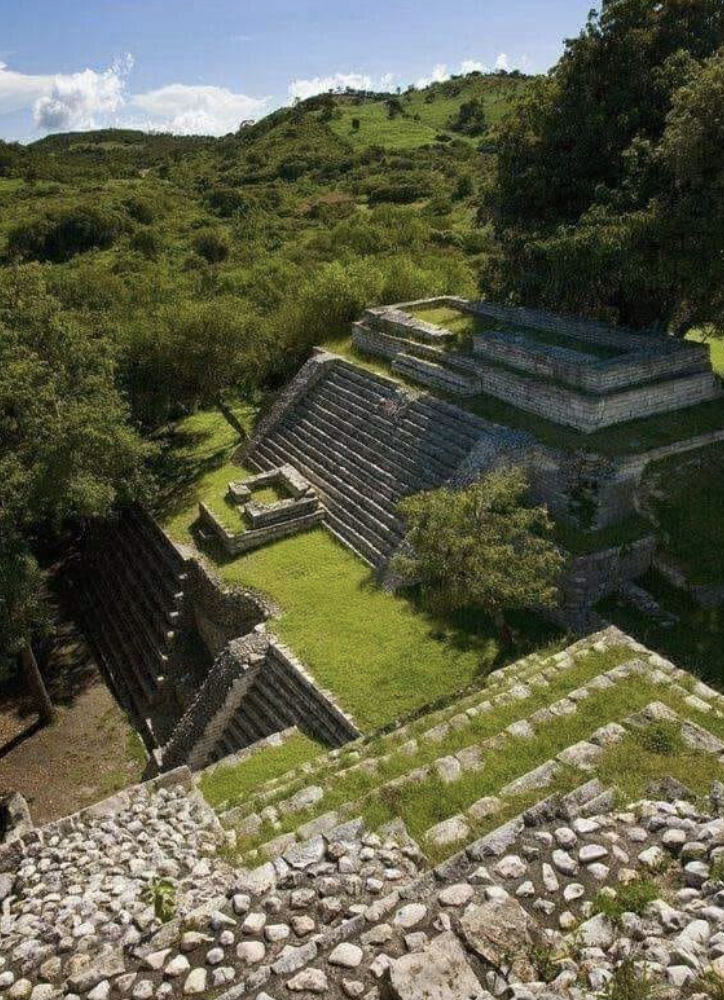
Southern Chiapas also has its own Maya sites, and Tenam Puente is one of the easiest to visit from Comitán .Located only around 13 kilometers from the city, the archaeological zone occupies a series of hills and terraces rather than the dense jungle setting found around Palenque. The site includes plazas, platforms, palaces, sanctuaries, and several ancient ballcourts. Its relatively small scale makes it easy to combine with other activities around Comitán without dedicating an entire day to archaeology.
Entrance Fee
145 MXN for foreign visitors / 80 MXN for Mexican nationals. The site is open daily from 8:00 to 17:00, with last admission at 16:00. Mexican nationals enter free on Sundays, and additional exemptions apply to certain groups.
Getting there
From Comitán, take a colectivo heading toward La Trinitaria and ask the driver to drop you off at the turnoff for Tenam Puente. From the main road, you may need to walk the remaining distance to the archaeological site or take a local tuk-tuk if one is available. Because transport and drop-off points can change, confirm with the driver before leaving Comitán.
Lagos de Montebello National Park
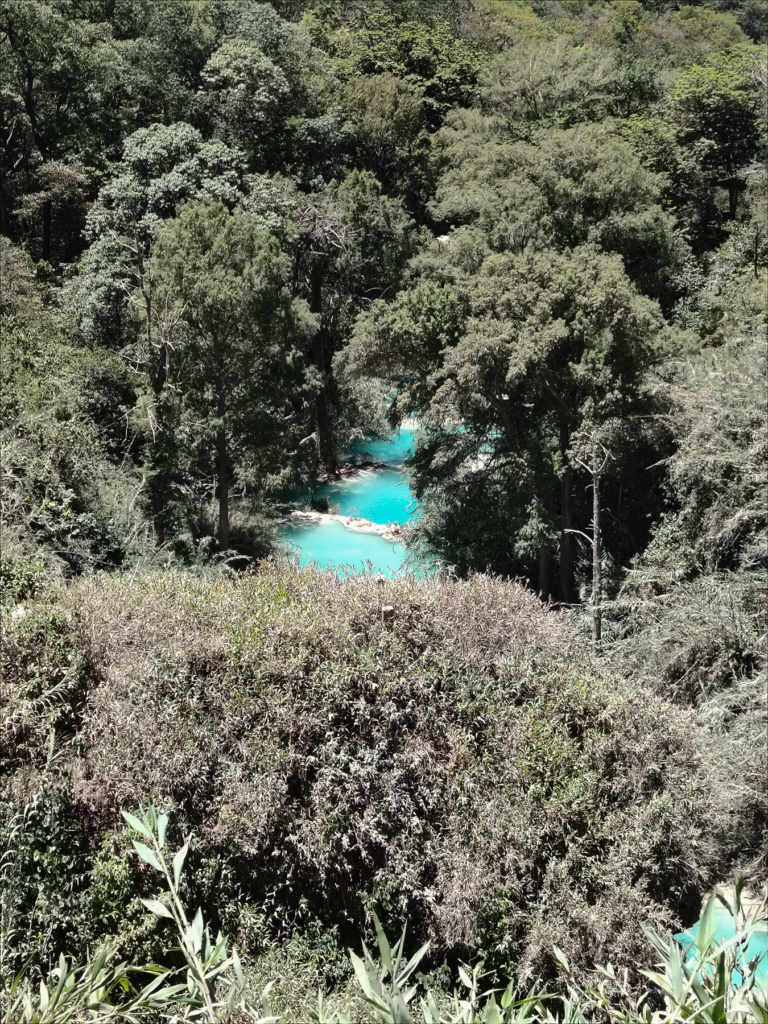
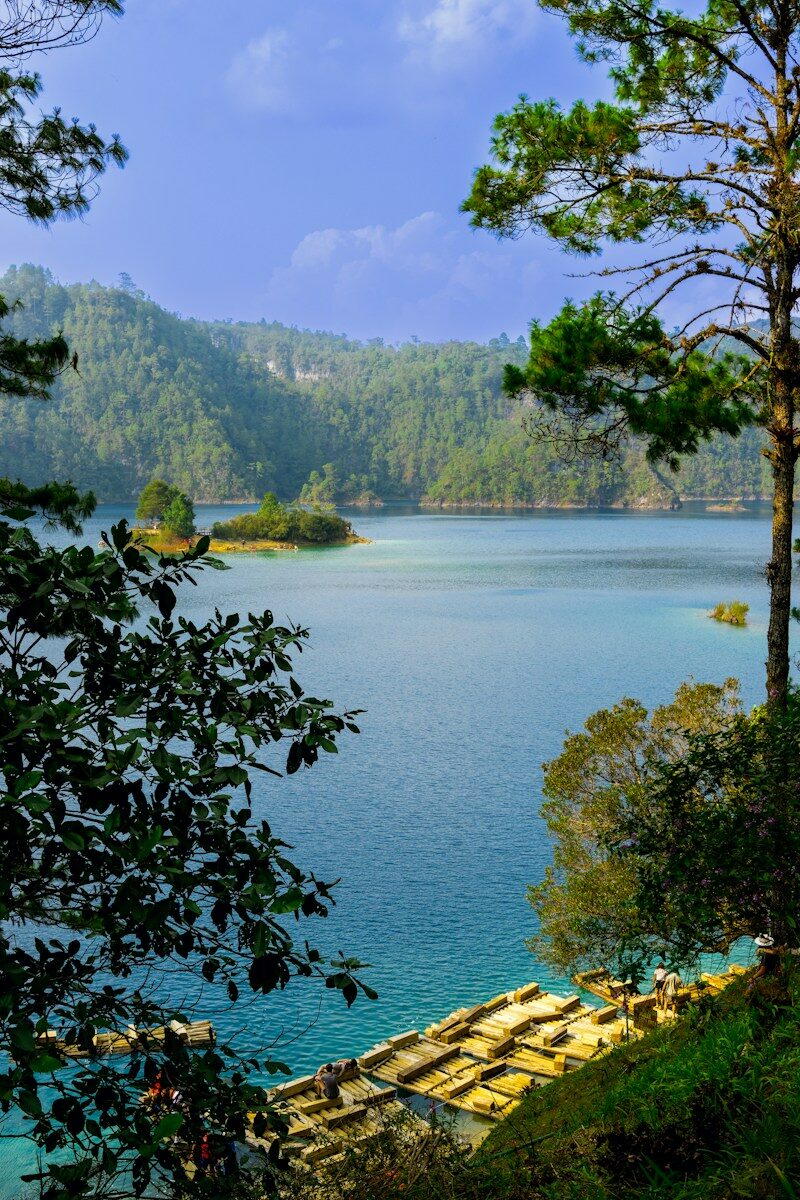
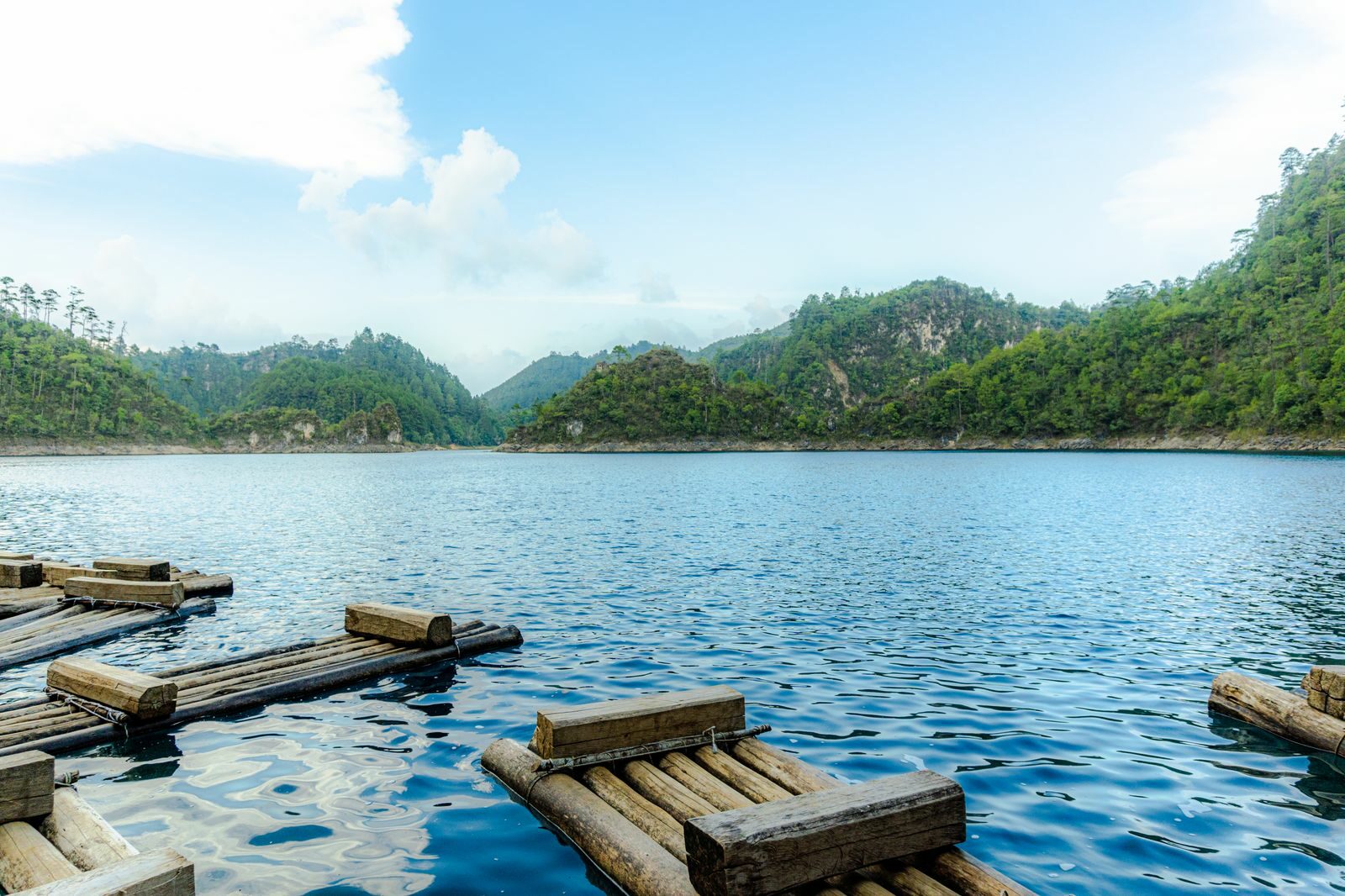
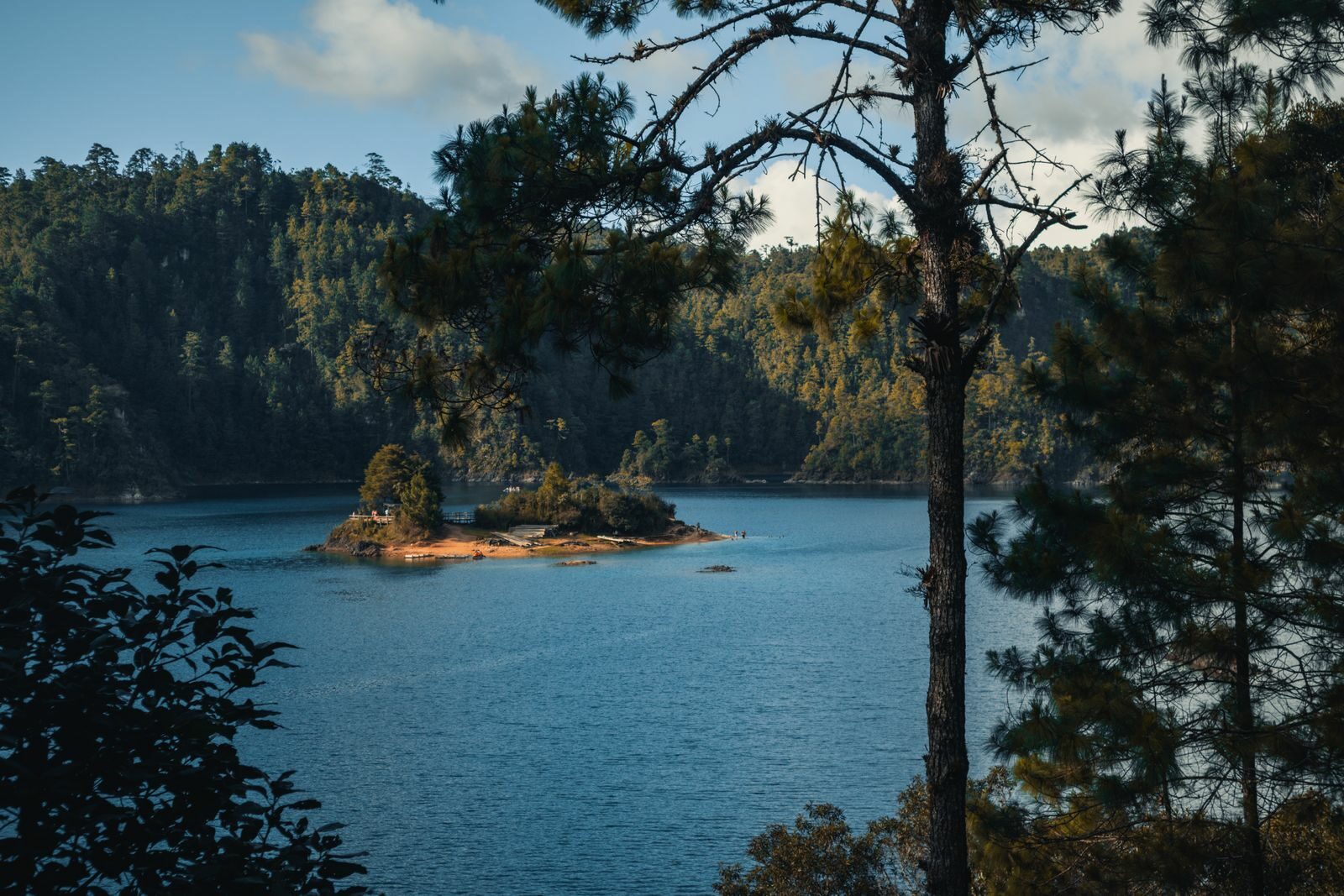
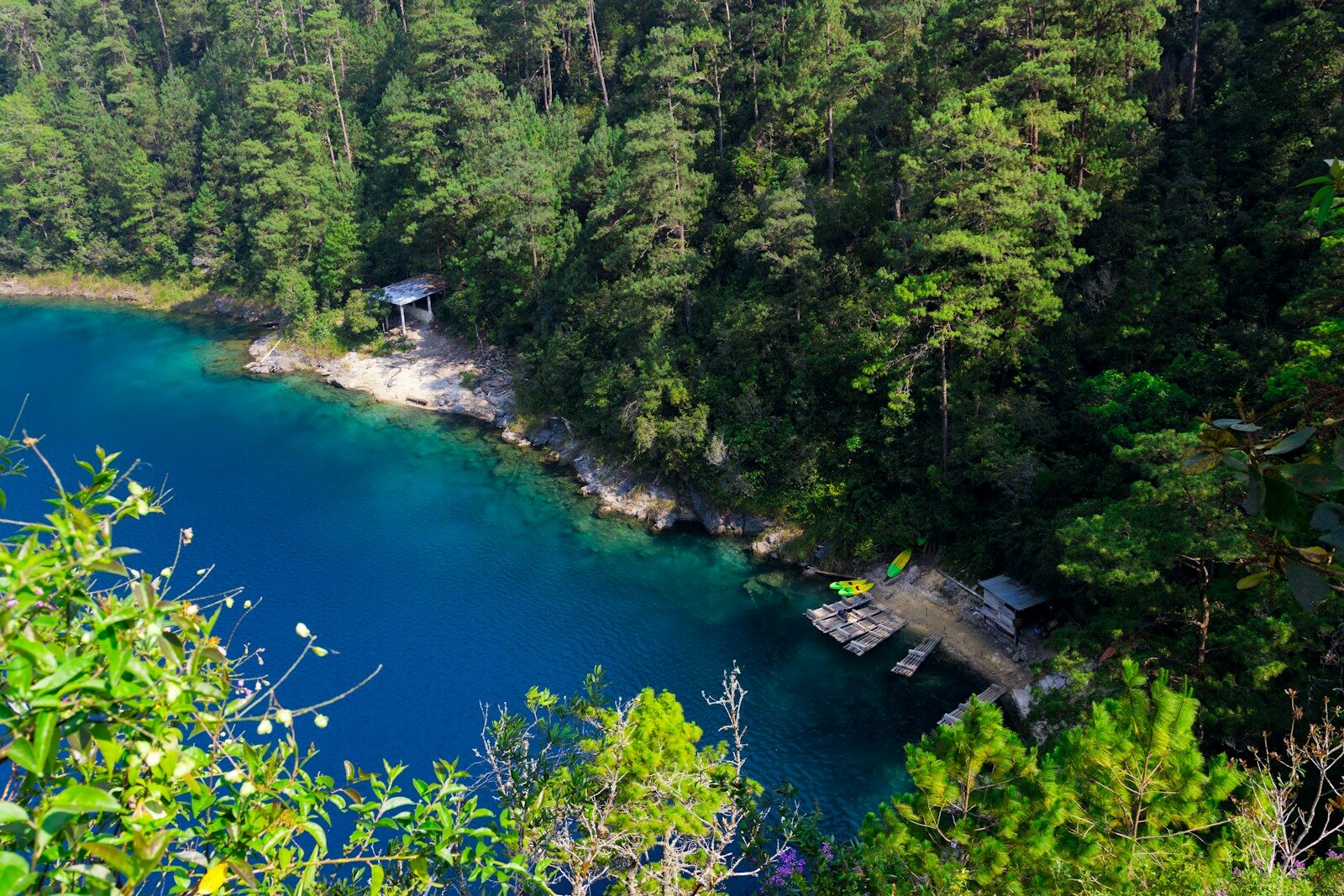
Further east, the landscape changes again. The pine-covered highlands give way to Parque Nacional Lagunas de Montebello, a protected landscape containing more than 60 lakes close to the Guatemalan border. The lakes are famous for their changing shades of blue, turquoise, green and deeper tones. Color varies depending on the lake, mineral composition, depth, sunlight and weather. But Montebello is not really about finding one perfect lake. The attraction is the landscape as a whole: forest roads, viewpoints, lakes appearing between the trees, and the gradual change in scenery as you move farther east.
Entrance Fee
125 MXN per person, per day. The official park information lists opening hours as 8:00 to 17:00 daily. Mexican visitors and foreign residents in Mexico receive a 50% discount with the required identification; additional exemptions and discounts apply to certain groups. This is the national park entrance fee. Boat rides, horse riding and other activities offered around individual lakes may cost extra.
Which Lakes Should You See?
You don't need to try to visit every lake. Tziscao is one of the best-known areas and is particularly interesting because of its location close to the Guatemalan border. Pojoj is another popular stop, while several other lakes and viewpoints are distributed around the park. If you're traveling independently, allow enough time between stops rather than trying to collect as many viewpoints as possible.
Getting There Independently
From Comitán, travel toward La Trinitaria before continuing toward Montebello. The official route follows Highway 190 toward La Trinitaria, then continues via the road toward Montebello. The park can be reached by public transport, private vehicle or tourism services.The difficult part is what happens once you arrive. Montebello covers a large area, with paved roads, dirt roads and trails connecting different areas of the park. Public transport between individual lakes is not as straightforward as simply getting to the park entrance. If you have your own vehicle, the area becomes much easier to explore. Without one, you can still visit independently, but confirm the return transport before heading farther into the park.
Border Area and Weather Matters
Montebello lies close to Guatemala, and the landscape is shaped by communities living around the border. You do not need to cross into Guatemala to experience the park. Stay on the Mexican side unless you have the appropriate documents and are using an official border crossing.
Montebello can look completely different depending on the weather. Rain, cloud cover and changing light affect the colours of the lakes considerably. The rainy season produces greener landscapes and higher water levels, while clearer conditions can give stronger reflections and more defined colors. There is no single month that guarantees the "best" Montebello experience.
Chinkultic: Maya Ruins in the Lake Country
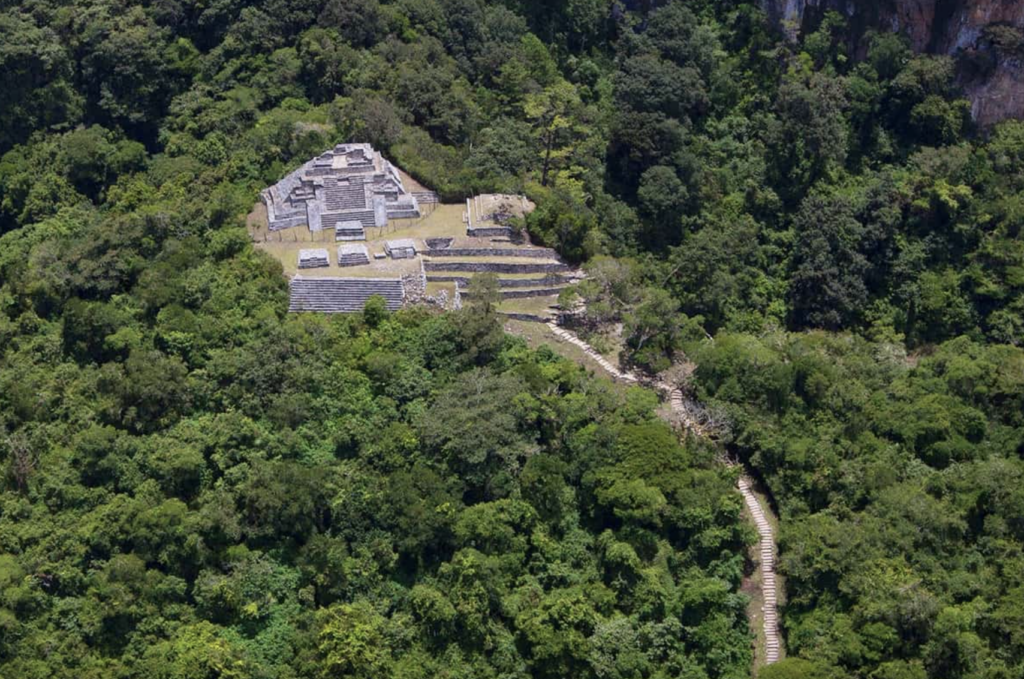
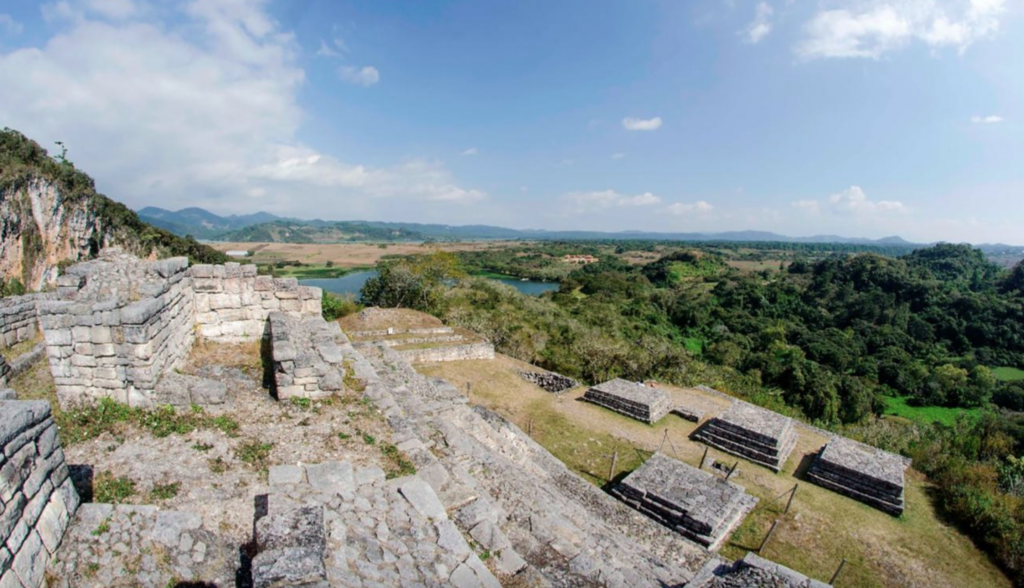
Chinkultic is one of the most interesting archaeological sites in the southern highlands because of its setting. Rather than sitting in dense jungle, the ancient Maya city occupies a landscape of limestone hills, forest and lakes near Montebello. The site includes an elevated acropolis and structures built into the natural terrain, with views extending across the surrounding landscape. It is much quieter than the major Maya sites in Chiapas.
Entrance Fee
Free for both Mexican and foreign visitors. The site is currently open daily from 8:00 to 17:00.
Visiting Chinkultic Independently
Chinkultic makes the most sense geographically when you are already exploring the Montebello area.It is considerably farther from Comitán than Tenam Puente, so combining it with Montebello can save you from making a separate journey.The official access is from the Pan-American Highway 190 toward La Trinitaria, continuing toward Montebello. At the Miguel Hidalgo area, a smaller road leads approximately 1.5 km to the archaeological zone.If you're traveling without a car, ask locally about the current colectivo route and, most importantly, where to get off and how to return.
Centro Ecoturístico Las Nubes
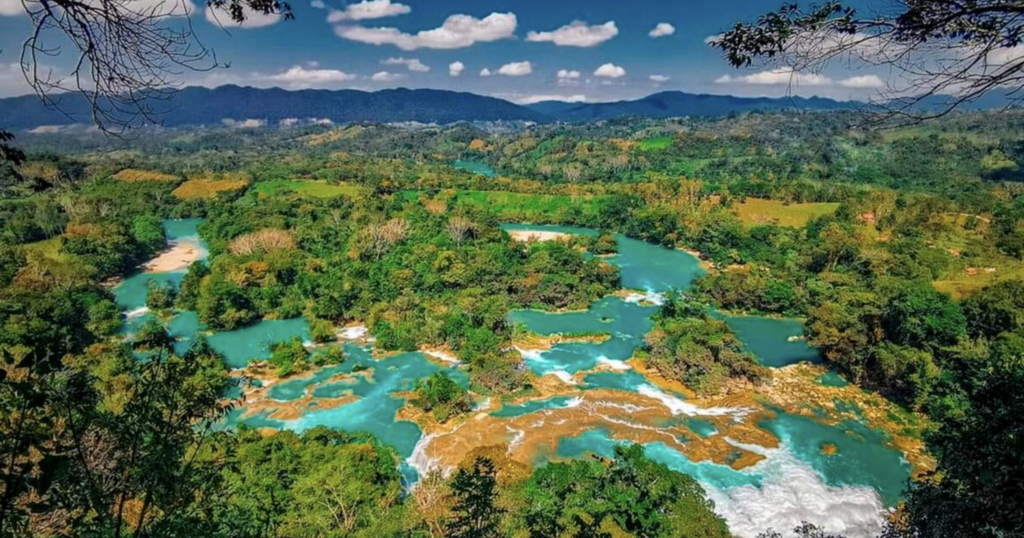
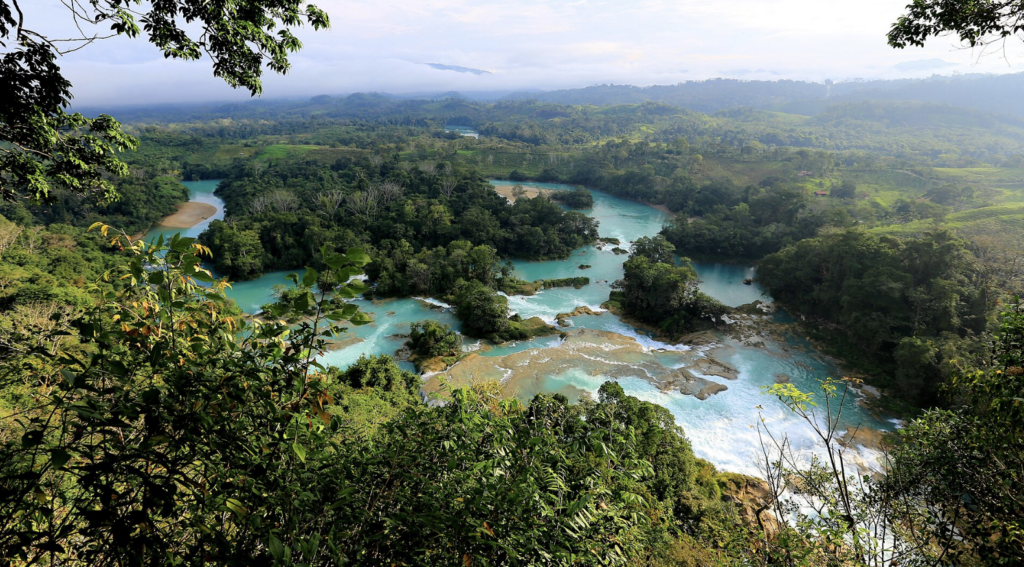
Then there is Las Nubes. This is where southern Chiapas starts to feel genuinely remote. The Centro Ecoturístico Las Nubes sits along the Santo Domingo River, where the water cuts through limestone canyons surrounded by dense tropical vegetation. The landscape is very different from the cool highlands around Comitán. Instead of mountain lakes and pine forests, you get rushing river water, waterfalls, canyon walls, suspension bridges, and humid jungle.
Entrance Fee
30 MXN per person. The community ecotourism area also offers cabins, a restaurant, bathrooms and camping. Activities such as guided hiking and rafting are charged separately.
Why Go to Las Nubes and How?
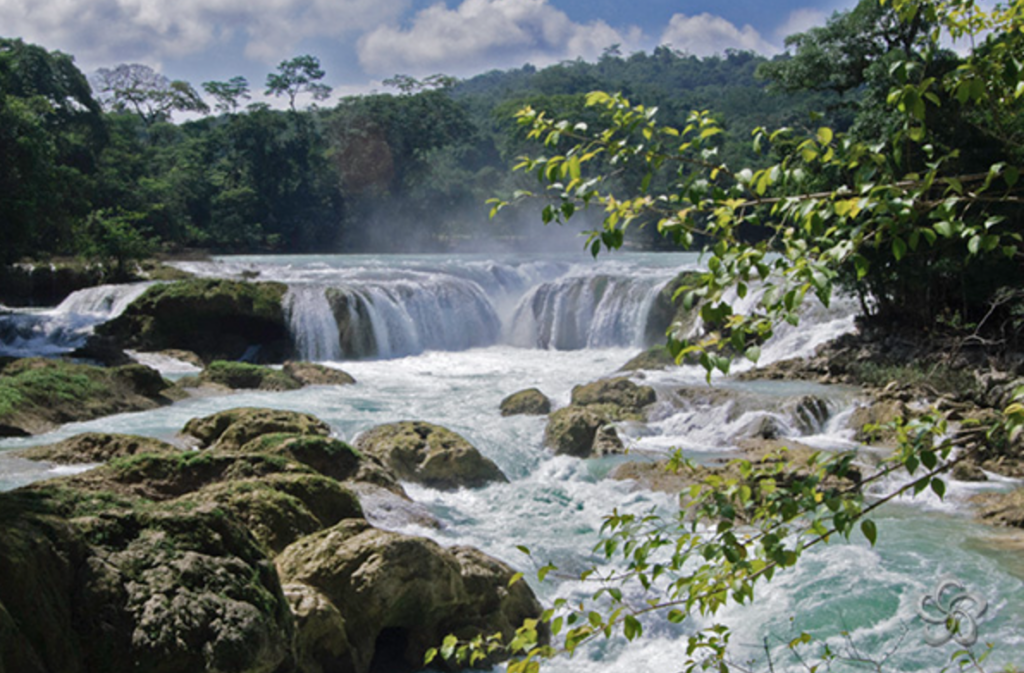
Las Nubes is worth considering if you want something beyond the more accessible attractions around Comitán. The river is the main attraction.Water crashes through narrow sections of the canyon, creating mist and pools, while suspension bridges provide views directly over the river and waterfalls. The area is community-managed and has basic visitor infrastructure. The name Las Nubes, meaning "The Clouds", comes from the mist generated by the powerful river.
Getting There
Las Nubes is considerably farther from Comitán than El Chiflón or Montebello.It is around 130 km from Comitán along the Frontera del Sur road, before the Santo Domingo bridge. The turnoff leads toward Las Nubes through the communities of Nueva Jerusalén and Gallo Giro. Public transport is possible, but connections are more limited and the journey is considerably longer. This is not a destination where I would recommend improvising your return transport late in the afternoon.
Stay Overnight or Visit for the Day?
Basic cabins are available inside the ecotourism area. An overnight stay makes more sense here than trying to turn Las Nubes into a quick stop. The distance, road conditions and limited transport mean that rushing there and back can take much of the value out of the experience. If your transport connections work better with an overnight stay, use the cabins rather than forcing everything into one day.
Planning the Southern Chiapas Route
You don't need to visit every attraction separately. Comitán works well as a base for the main sights, while more remote destinations may require an overnight stay.
El Chiflón: Easy day trip from Comitán.
Tzimoleras: More active excursion; arrange the local 4x4 transfer in advance.
Tenam Puente: Short trip that can easily be combined with time in Comitán.
Montebello + Chinkultic: Best planned together, but transport requires more organization without a car.
Las Nubes: Remote enough to consider staying overnight rather than rushing it as a day trip.
If you're traveling independently, group the sights by area rather than trying to tick them off one by one.