Sumidero Canyon, Chiapa de Corzo & Tuxtla Independent Travel Guide
Canyon Views, River Trips & the Gateway to Chiapas
The area around Sumidero Canyon, Chiapa de Corzo and Tuxtla Gutiérrez is an easy addition to a Chiapas itinerary, particularly if you are already based in San Cristóbal de las Casas.
The landscape changes dramatically as you descend from the highlands. The cool mountain climate around San Cristóbal gives way to the hot, humid lowlands of the Grijalva River, where the walls of Sumidero Canyon rise hundreds of metres above the water.
The three places have very different roles. Sumidero Canyon is the main natural attraction, Chiapa de Corzo is the historic town and main departure point for the river trips, while Tuxtla Gutiérrez is primarily the region's transport and airport hub.
You do not need to change accommodation simply to visit this area. For most independent travellers, San Cristóbal makes the most convenient base, with Sumidero and Chiapa de Corzo visited as a day trip.
Why Explore This Area Independently?
Sumidero is one of the easier major attractions in Chiapas to visit without an organised tour.
The main boat route starts in Chiapa de Corzo, and the historic centre is compact enough to combine with the canyon in the same day.Independent travel also gives you more control over how long you spend in Chiapa de Corzo and whether you want to add the viewpoints.
The main thing to understand is that the boat trip and the miradores are two different experiences accessed from different sides of the canyon. Trying to cover both without your own vehicle requires considerably more time and transport planning.
For most travellers without a car, the boat trip from Chiapa de Corzo is the straightforward option.
Cañón del Sumidero
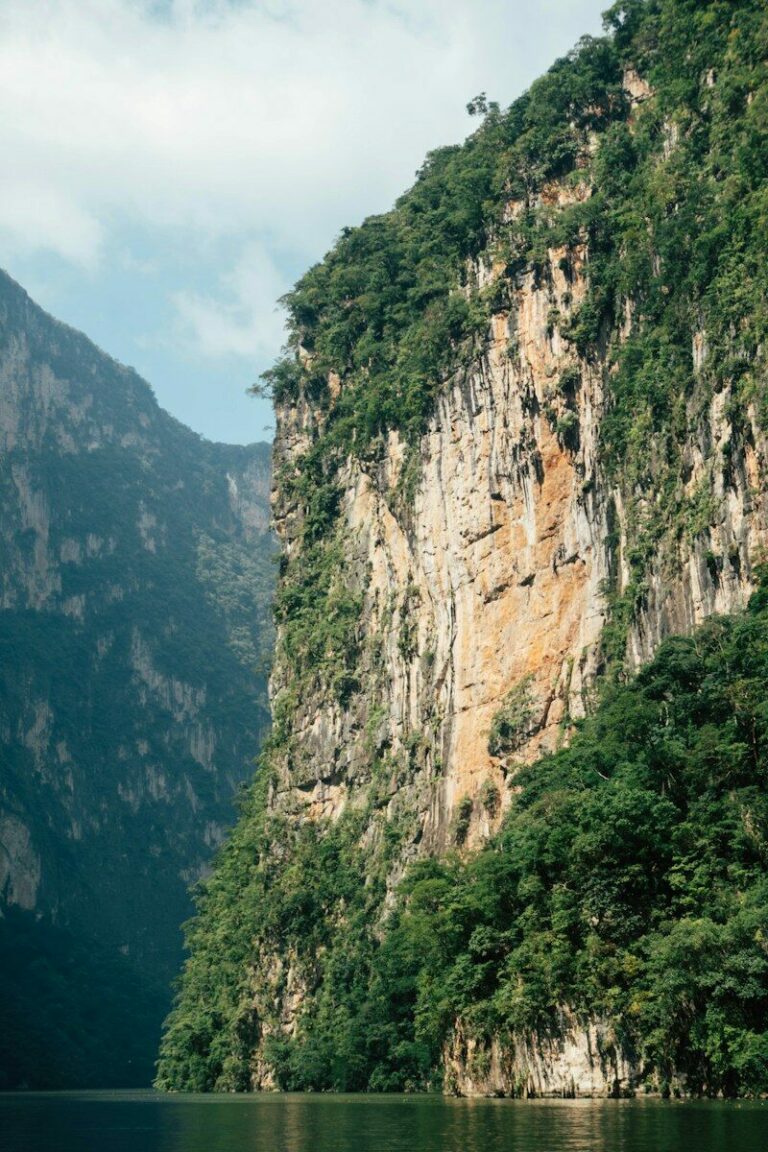
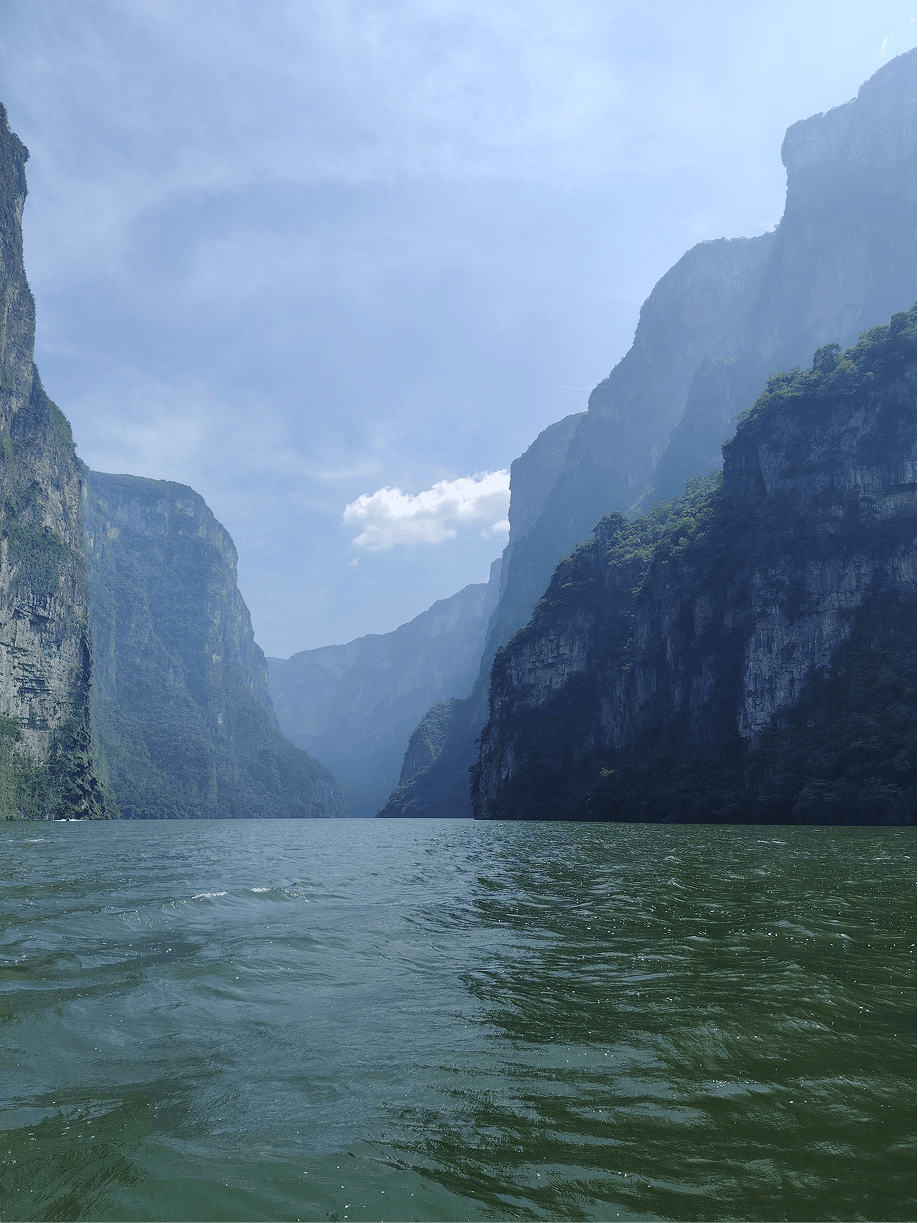
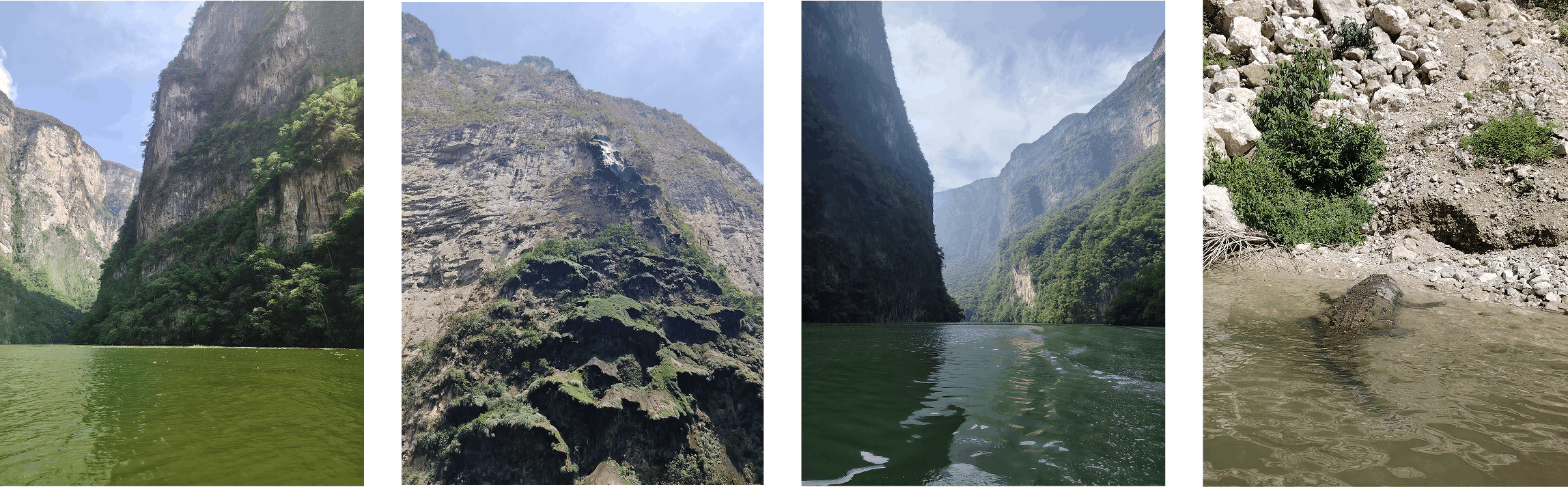
The Cañón del Sumidero is a national park centred around the Grijalva River. The canyon was formed millions of years ago and today contains a large reservoir created by the Chicoasén hydroelectric project.
The river trip takes you between enormous limestone walls, passing caves, waterfalls and distinctive formations such as the Árbol de Navidad, where water and vegetation have created a tree-like shape on the canyon wall.Wildlife is another part of the experience.
The protected area is home to species including crocodiles and spider monkeys, although sightings are never guaranteed.
The Boat Trip
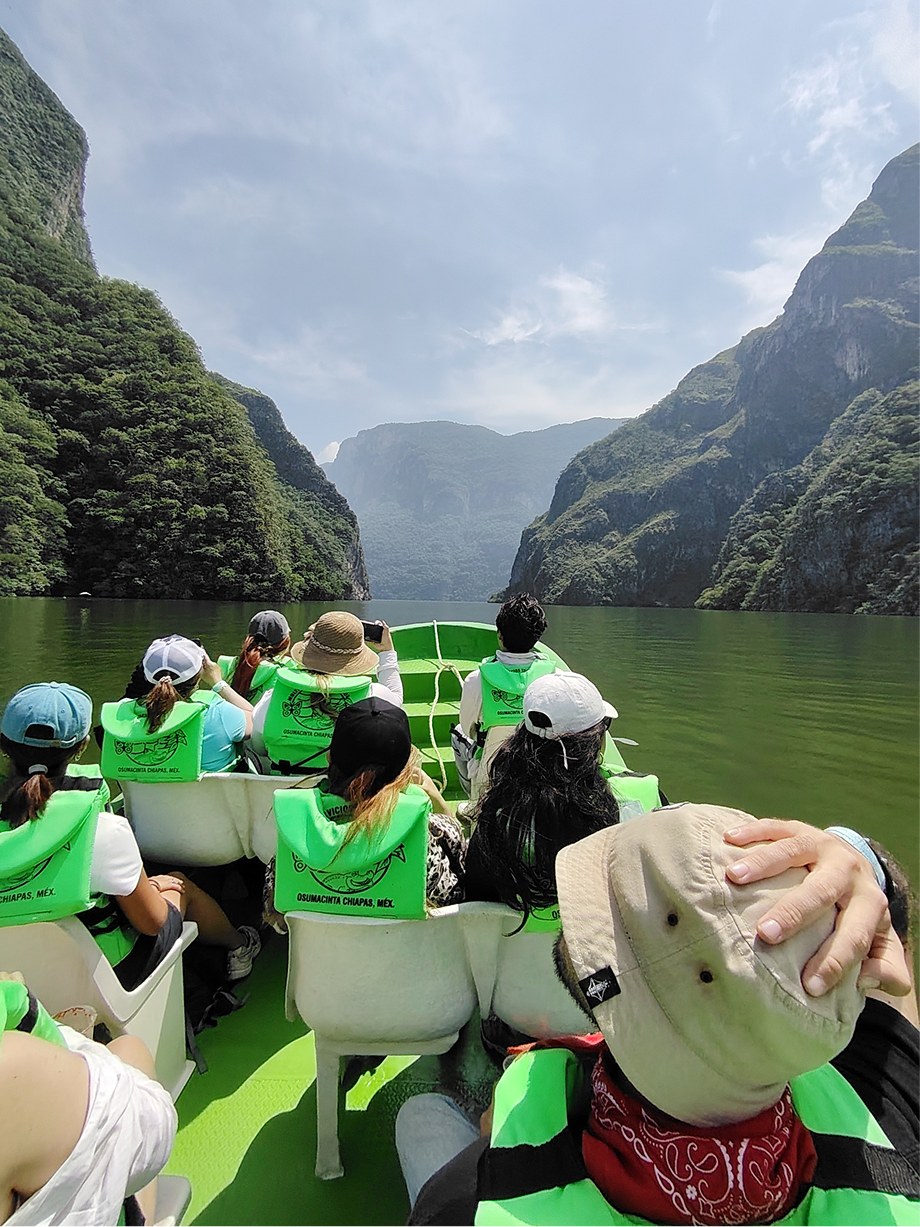
The standard visit is a lancha trip from one of the Chiapa de Corzo embarcaderos. CONANP currently lists four access points in Chiapa de Corzo. The trip generally takes around two hours, following the river deep into the canyon and back.
For 2026, a local cooperative reported a current boat fare of 460 MXN for foreign visitors and 400 MXN for Mexican visitors. This is the boat-trip charge; the protected-area entrance fee is currently 125 MXN per person per day for foreigners and 65 for Mexicans, so check locally what is included in the ticket you are buying.
The water route operates daily. The park's general opening hours are currently listed as 08:00–17:00.
What to expect
The canyon is impressive because of its scale rather than because there is a long itinerary to follow. Once the boat leaves the embarcadero, most of the experience is simply watching the landscape change as you travel deeper between the cliffs.
The lower elevation also means much hotter weather than San Cristóbal. Layers that make sense when leaving the highlands may feel excessive once you reach Chiapa de Corzo.
The park itself recommends comfortable clothing, closed shoes, sun protection and insect repellent.
The Sumidero Miradores
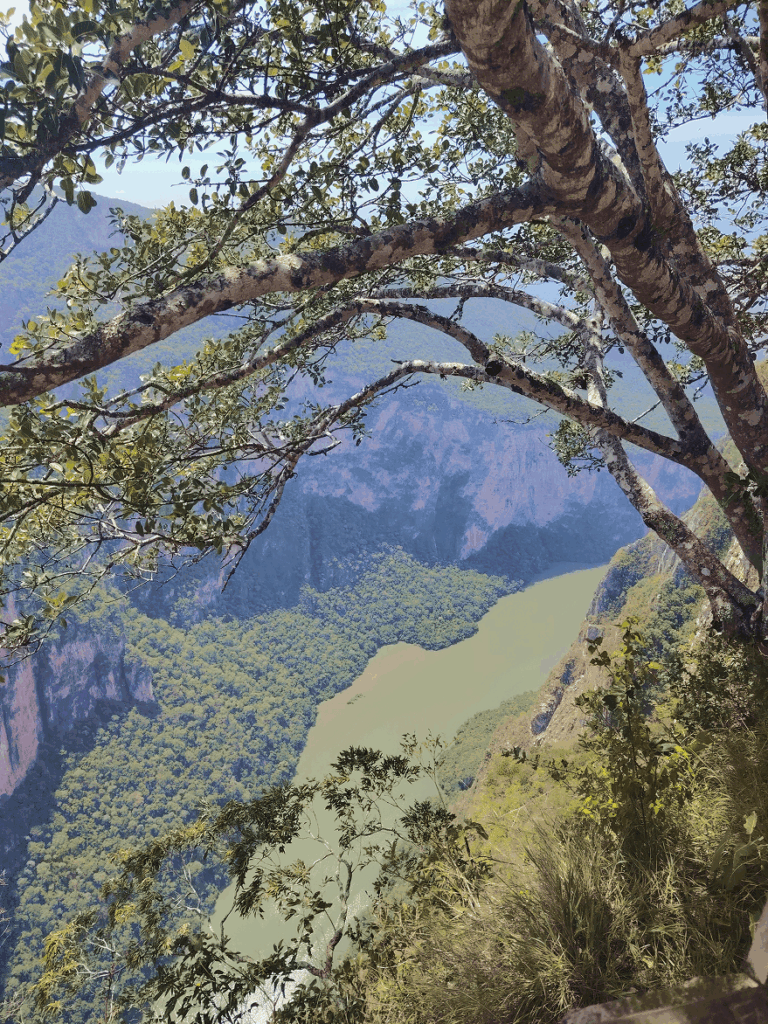
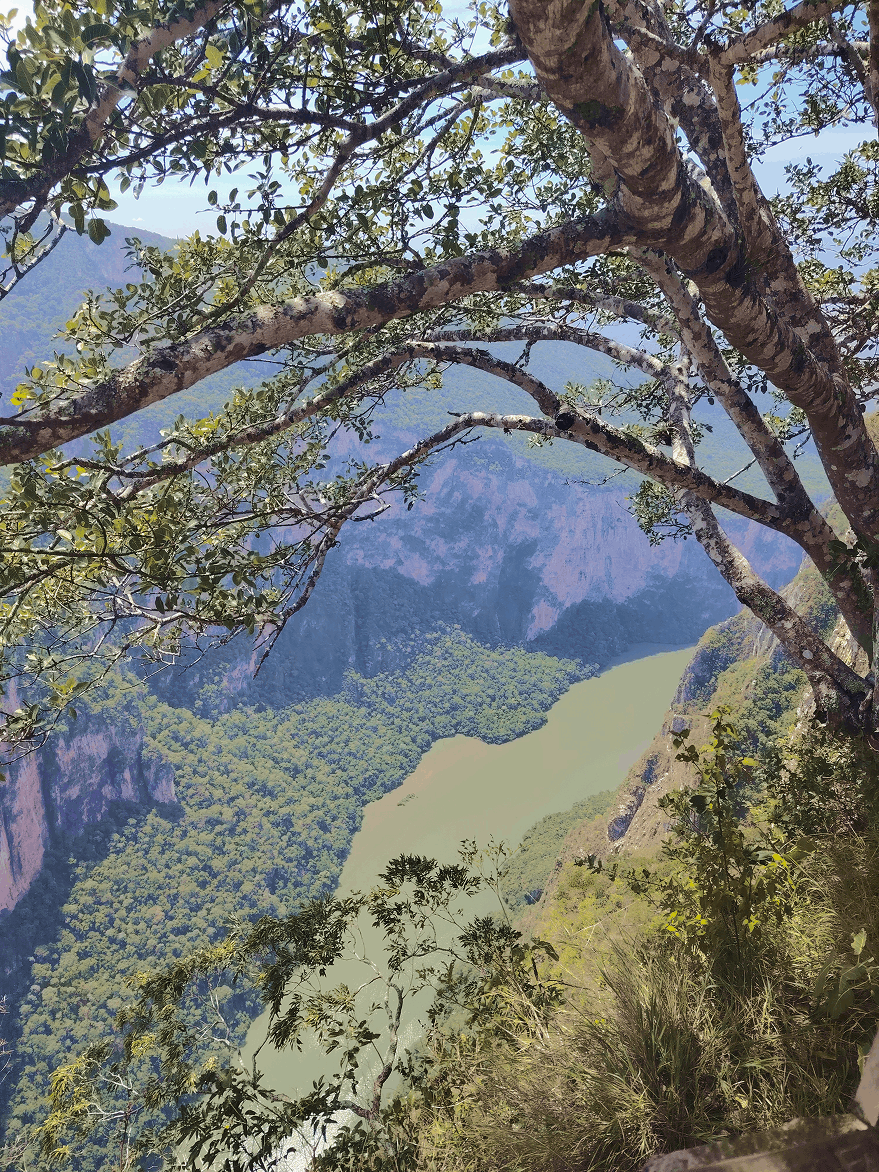
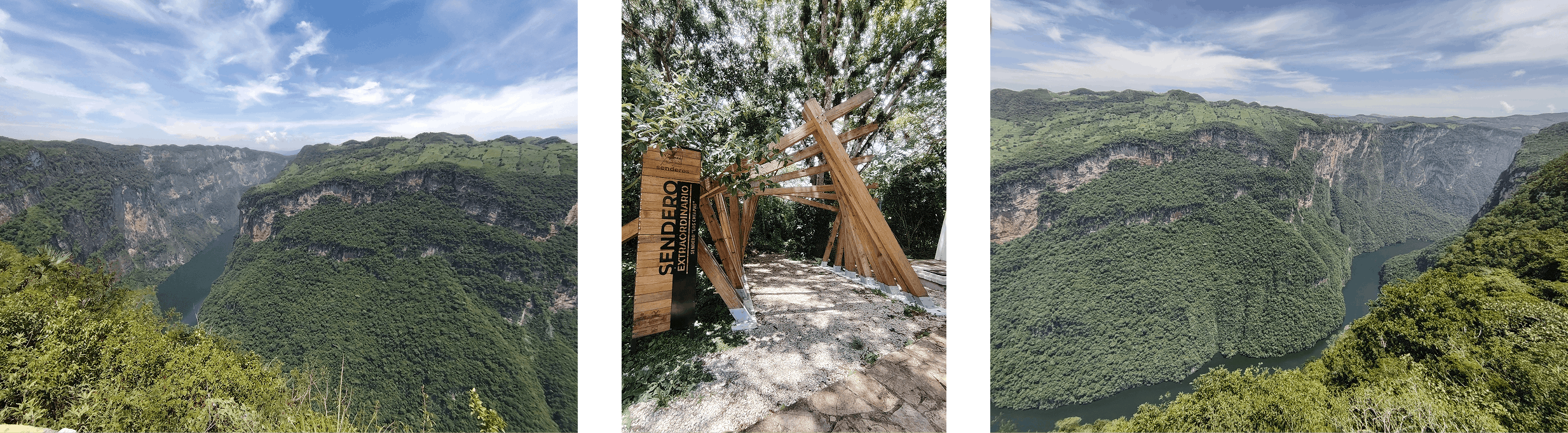
The canyon can also be viewed from above from five miradores on the Tuxtla side: La Ceiba, La Coyota, El Roblar, El Tepehuaje and Los Chiapa.
A local R-69 colectivo from Tuxtla serves the park entrance, dropping passengers close to the beginning of the mirador road. From there, however, the five viewpoints are spread along roughly 16 km of road, with no regular public transport connecting them.
The first viewpoint, La Ceiba, is already around 2 km from the entrance, while the final viewpoints are much farther along the road. Walking between all five is therefore impractical.
If you are travelling independently without a car, the boat trip from Chiapa de Corzo is the simpler option. The miradores are more suitable if you have your own transport or specifically want to see the canyon from above.
Chiapa de Corzo
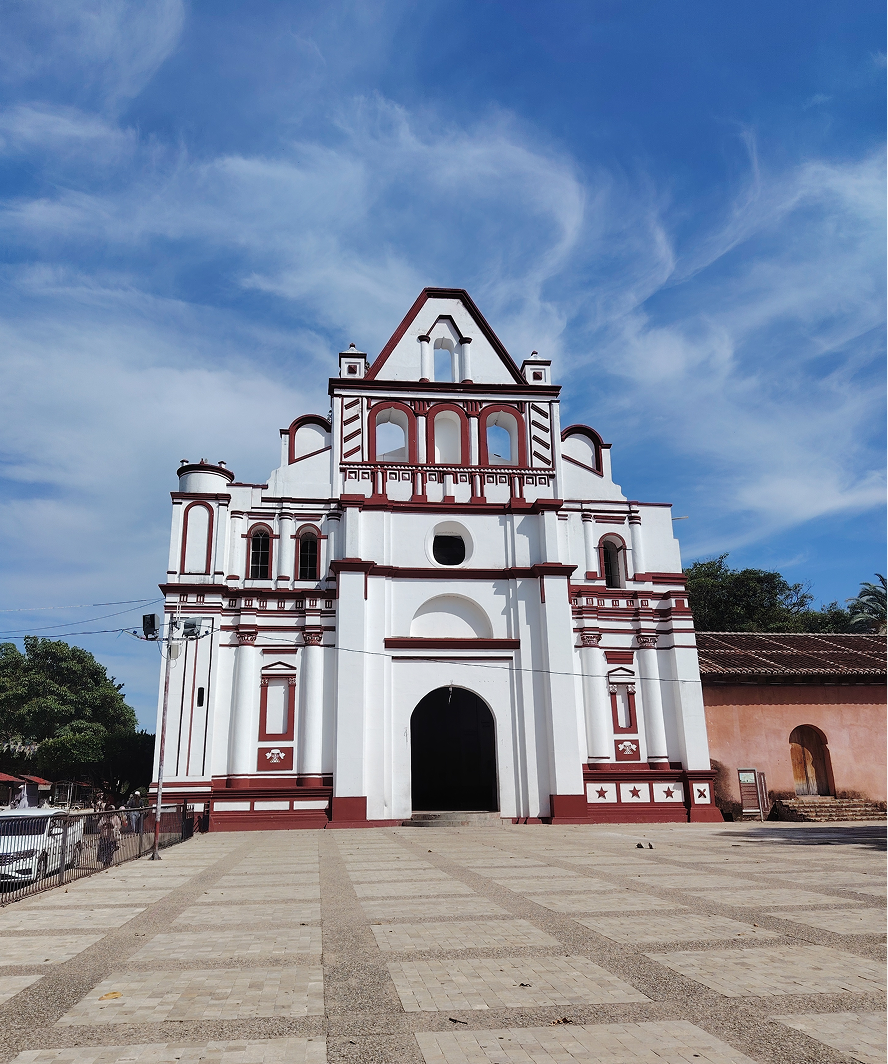
Chiapa de Corzo is the historic town on the Grijalva River and the main starting point for boat trips into Sumidero Canyon. It is therefore almost impossible to separate the town from a visit to the canyon, and it works naturally as part of the same day.
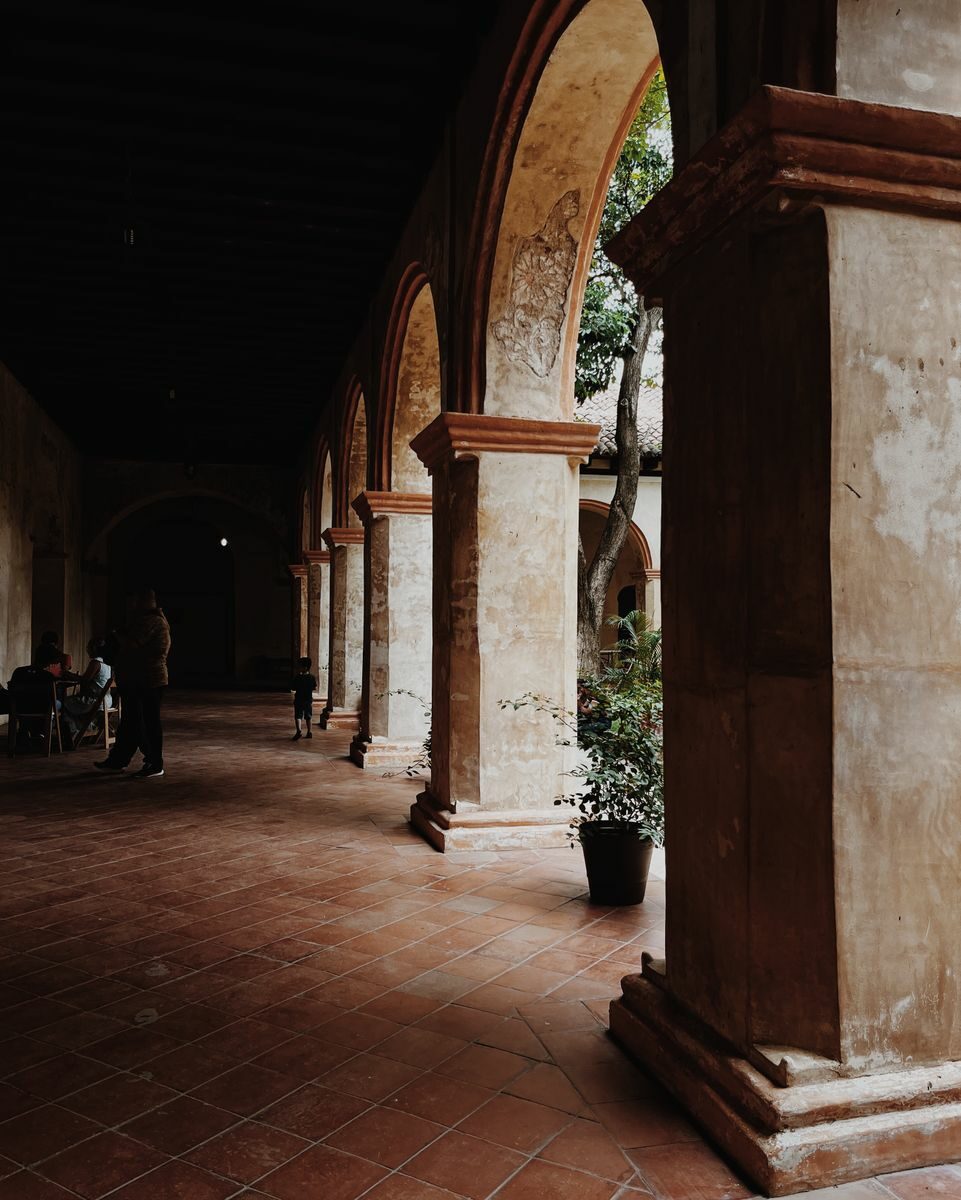
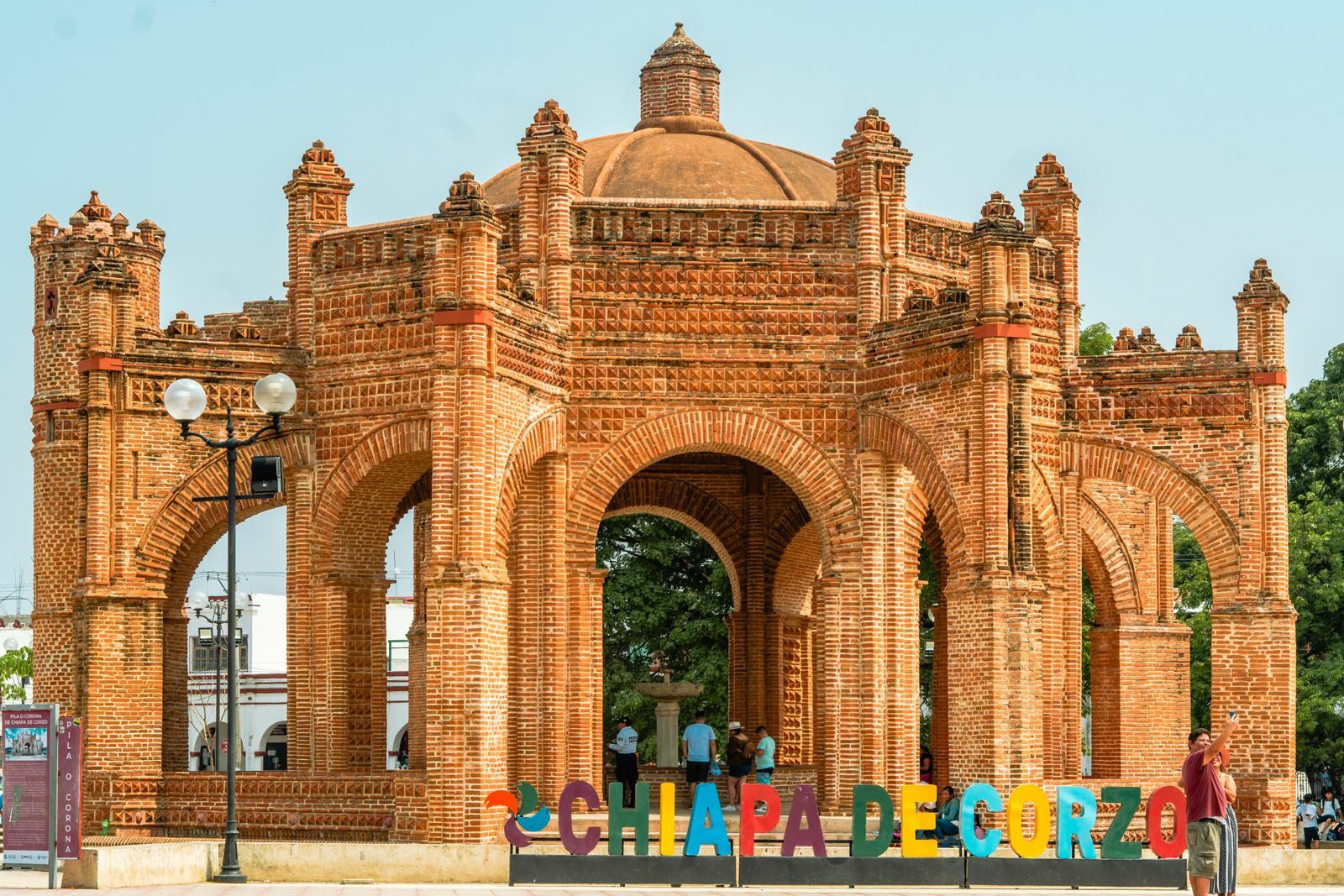
The historic centre is compact and easy to explore on foot. La Pila, the large brick fountain on the main plaza, is the town's most recognisable landmark, while the former Santo Domingo complex houses the Museo de la Laca, dedicated to the region's traditional lacquer work. The town also has several historic churches and colonial buildings around the centre.
Chiapa de Corzo has a strong connection to local traditions, particularly the Parachicos, whose dances form part of the annual Fiesta Grande de Enero. The celebration is one of the most important traditional events in Chiapas and can make the town considerably busier in January.
There is also a small archaeological zone associated with the Zoque civilisation just outside the centre. It is not essential if your main objective is Sumidero, but can be interesting if you want to add some pre-Hispanic history to the stop.You do not need a full day for Chiapa de Corzo. Allow a couple of hours around the boat trip, either before departing into the canyon or after returning to town.
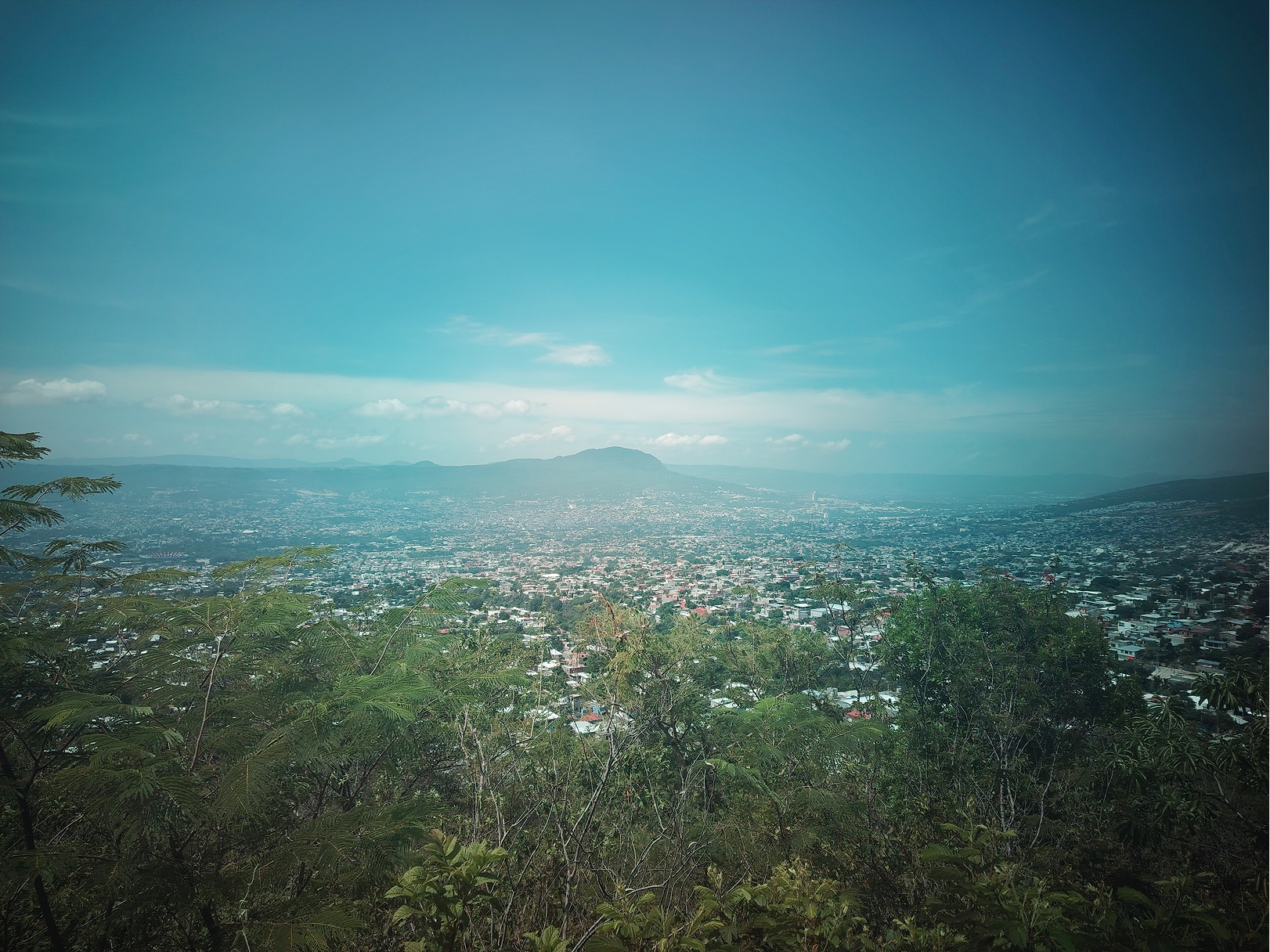
Tuxtla Gutiérrez
Tuxtla Gutiérrez is the capital of Chiapas and the main transport hub for this part of the state. It is useful for arriving or departing by air, changing transport between San Cristóbal and the lowlands, and accessing the Sumidero miradores.
For a trip focused on Sumidero and Chiapa de Corzo, however, there is usually little reason to make Tuxtla a separate sightseeing stop. Its practical importance is mainly its transport connections and proximity to the airport.
The Ángel Albino Corzo International Airport is actually located on the Chiapa de Corzo side of the valley, making this area particularly useful when starting or finishing a Chiapas itinerary by air.
Getting There: San Cristóbal → Chiapa de Corzo
The journey from San Cristóbal can be done by colectivo without booking a tour. The usual route is to take a colectivo heading towards Tuxtla Gutiérrez and get off around the Chiapa de Corzo area rather than continuing into central Tuxtla.
Current independent-travel information puts the San Cristóbal–Tuxtla colectivo at around 75 MXN, although fares and departure points can change. Confirm with the driver that you are going to Chiapa de Corzo and ask where you should get off. From the highway area, continue towards Chiapa de Corzo by local colectivo or taxi.
The journey is relatively short on the map, but remember that you are descending from the highlands. Traffic, road conditions and waiting times can make the overall trip longer than the distance suggests.
Chiapa de Corzo → Sumidero
Once you reach Chiapa de Corzo, the town centre and the river access points are relatively close.
There are several embarcaderos, so confirm which one your boat is using rather than assuming that every boat leaves from exactly the same location. If you have already purchased your boat ticket, ask the operator where you need to go and whether transport to the embarcadero is included.
A short local taxi can be useful if you are unsure of the location or travelling during the hottest part of the day.
Practical Tips
Carry cash: Colectivos, taxis, boat trips and smaller local businesses may require Mexican pesos. Keep smaller denominations for local transport.
Expect a major temperature change: San Cristóbal can be cool when Chiapa de Corzo is already hot. Dress in layers if you are leaving early.
Don't confuse the two Sumidero experiences: The boat leaves from Chiapa de Corzo, while the miradores are accessed from the Tuxtla side.Start early: This gives you more flexibility with boat departures and the return journey.
Don't rely on the last colectivo: Give yourself a buffer for the journey back to San Cristóbal.
Bring sun and mosquito protection: The lowland climate is very different from the highlands.
Check the boat price locally: Boat fares and protected-area charges can change, and the two may not necessarily be included in the same ticket.