
San Juan Chamula & Zinacantán: Independent Travel Guide to the Tzotzil Highlands
San Juan Chamula & Zinacantán: Independent Travel Guide to the Tzotzil Highlands Chiapas
Just a short distance up the mountain from San Cristóbal de Las Casas, the Tzotzil Maya communities of San Juan Chamula and Zinacantán operate under distinct religious traditions, community structures, and governance systems that set them apart from standard tourist stops.
While many visitors see these villages through the window of an organized tour bus, both towns can be explored independently. This guide breaks down the practical transport options, cultural protocols, and community rules required for an autonomous visit.
Why Visit Chamula & Zinacantán Independently?
Exploring these highland communities on your own allows you to travel at your own pace, visit local workshops and cooperatives directly, decide where to spend your money, and experience the rhythm of daily life in the Tzotzil highlands.
Independent travel does not mean unrestricted access. These are living communities, not open-air museums. You can organize your own transport and itinerary, but community rules still apply once you arrive—particularly around photography, religious spaces, and private workshops.
San Juan Chamula
San Juan Chamula has a distinctive local governance system based on usos y costumbres, with civil and religious authorities playing an important role in community life.
Chamula's identity is anchored in a unique blend of traditional Maya cosmology and Catholicism.
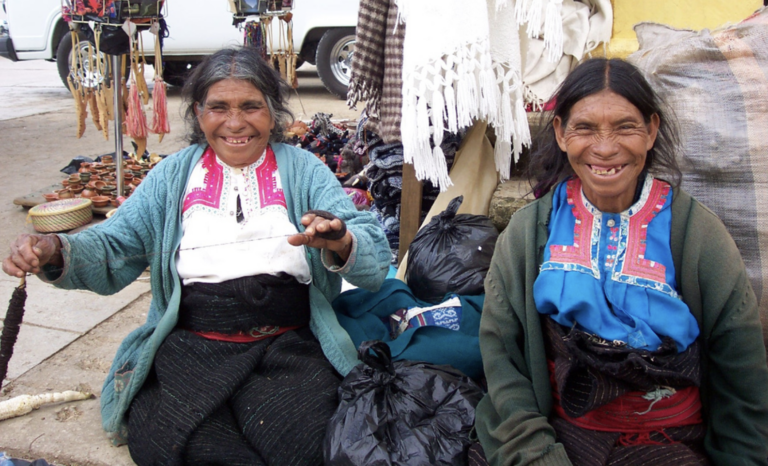
The community speaks Tzotzil as its primary language, and traditional woven wool tunics (chuj) are worn daily by many men, signaling social standing and maturity within the community hierarchy.
Photography & Cultural Etiquette
Inside the Church: Photography and video are strictly prohibited inside the church. Do not take your phone or camera out once inside. The prohibition is a community rule rather than a photography tip; treat it as such and keep your equipment stowed.
People Portraits: Always ask explicit permission before photographing individuals in the plaza or market. Many elders and locals do not wish to be photographed.
Dress & Demeanor: Dress conservatively (cover shoulders and knees). Remove hats and sunglasses immediately upon entering the church.
Language: Not eveyrone will speak spanish but it's the beauty of traveling there.
Key Sites
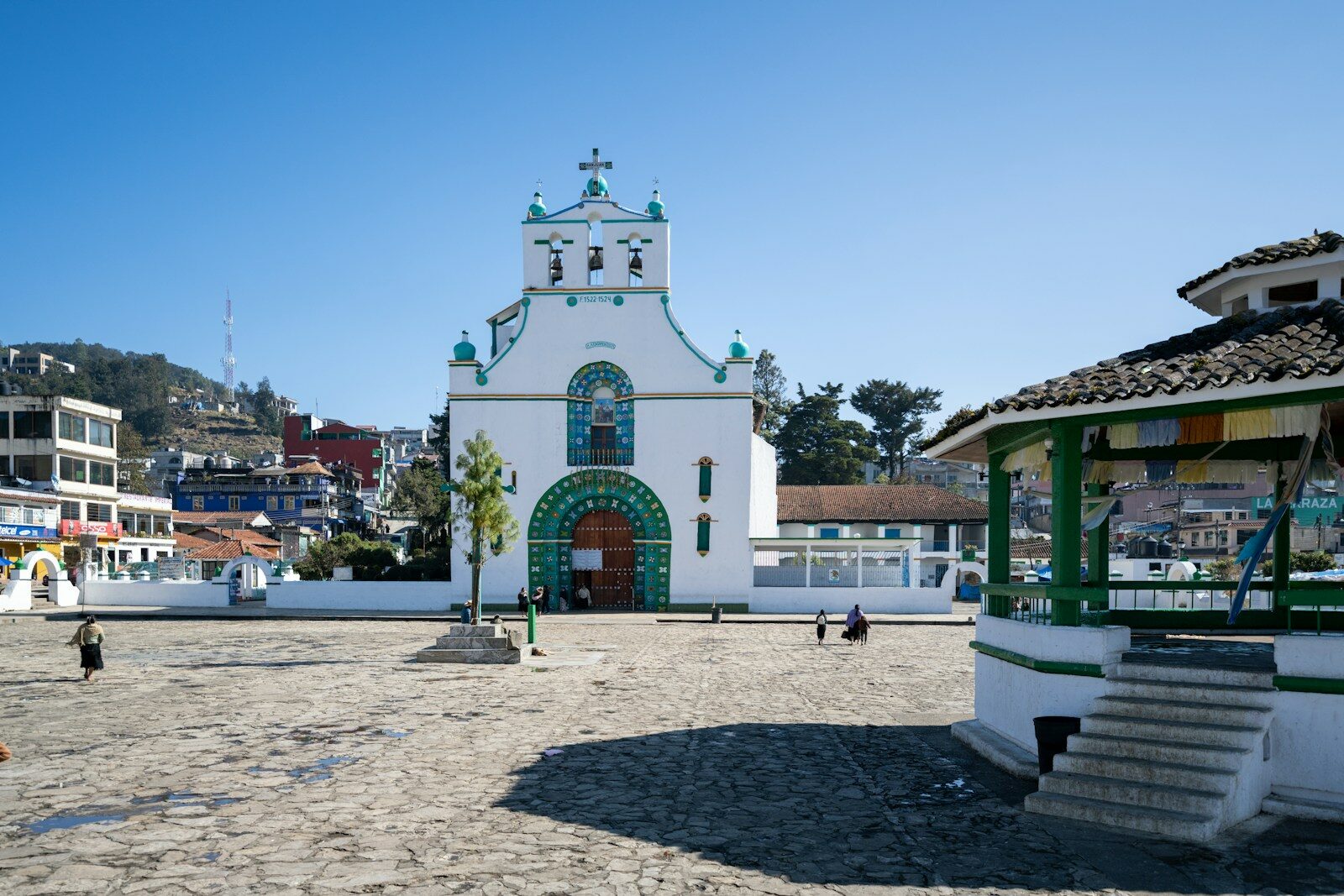
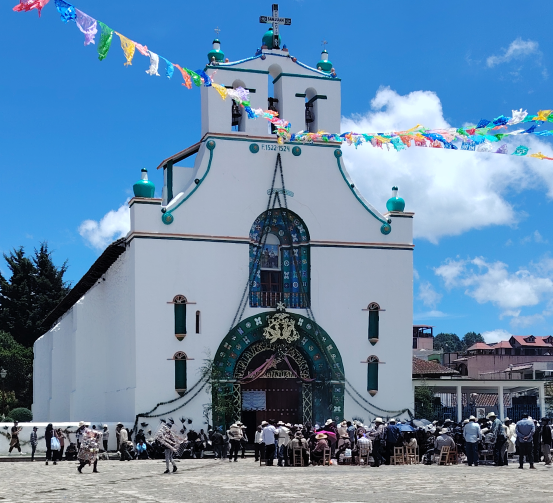
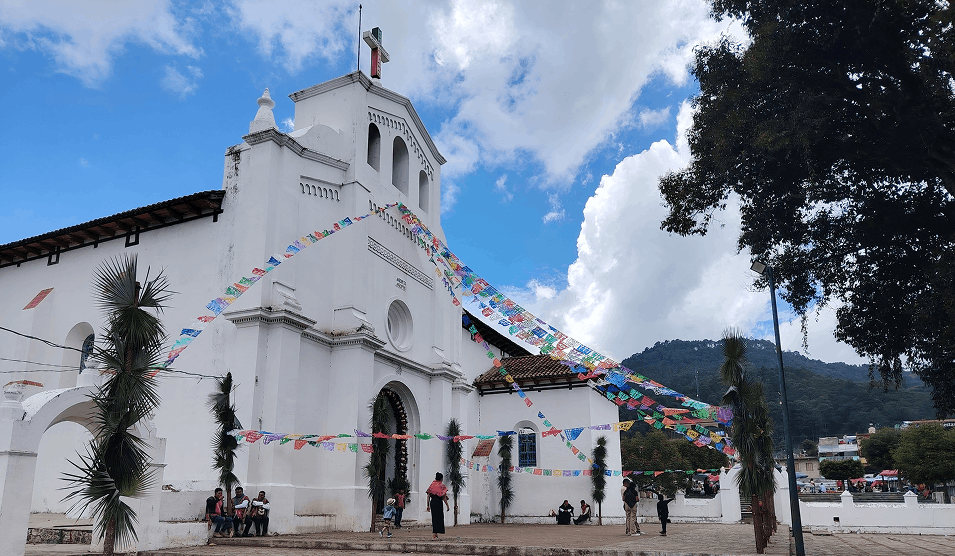
The Church (Templo de San Juan): The town's principal religious site. There are no pews inside. The floor is blanketed with fresh pine needles, candles cover parts of the floor, and traditional practitioners conduct healing rituals involving candles, eggs, pox and prayers amidst plumes of copal incense. Entrance fee: small community access fee is collected at the door (40pesos)
The Cemetery: Located on the edge of town, featuring simple wooden crosses unattached to standardized western markers. The cemetery is known for its wooden crosses in different colours; some published accounts associate these colours with the age of the deceased, although interpretations vary. Respect quiet mourning and do not photograph grieving families.
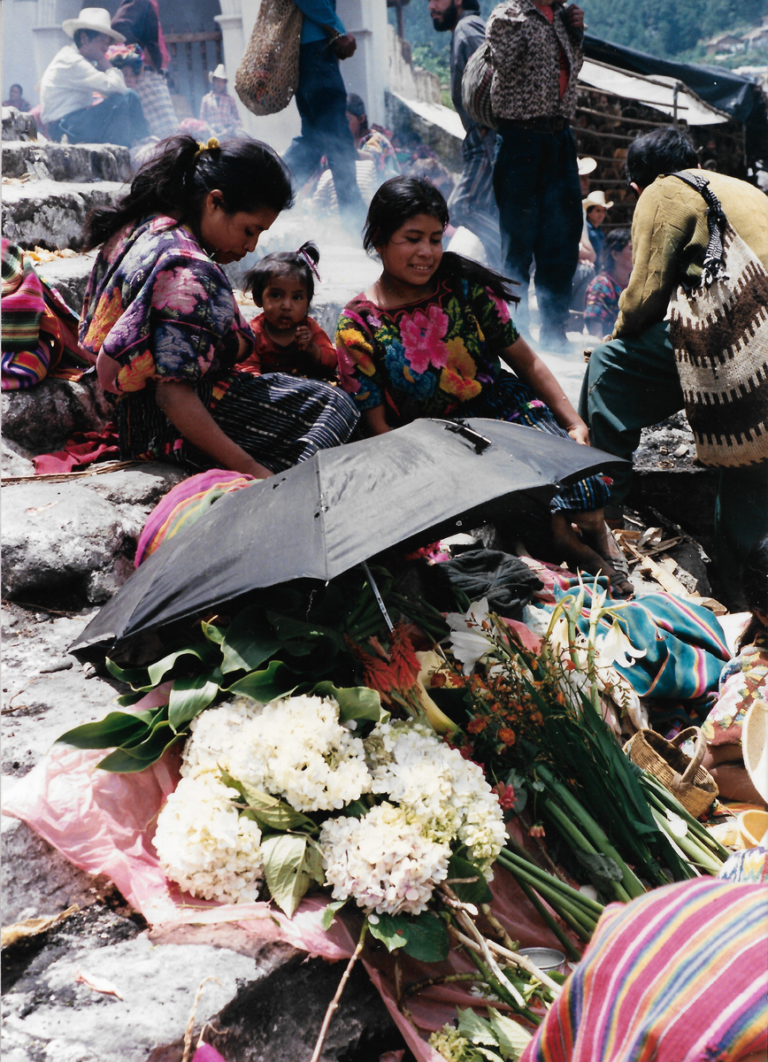
The Market: Best experienced on Sundays when surrounding villagers flood the plaza to trade goods, textiles, and highland produce.
Getting There
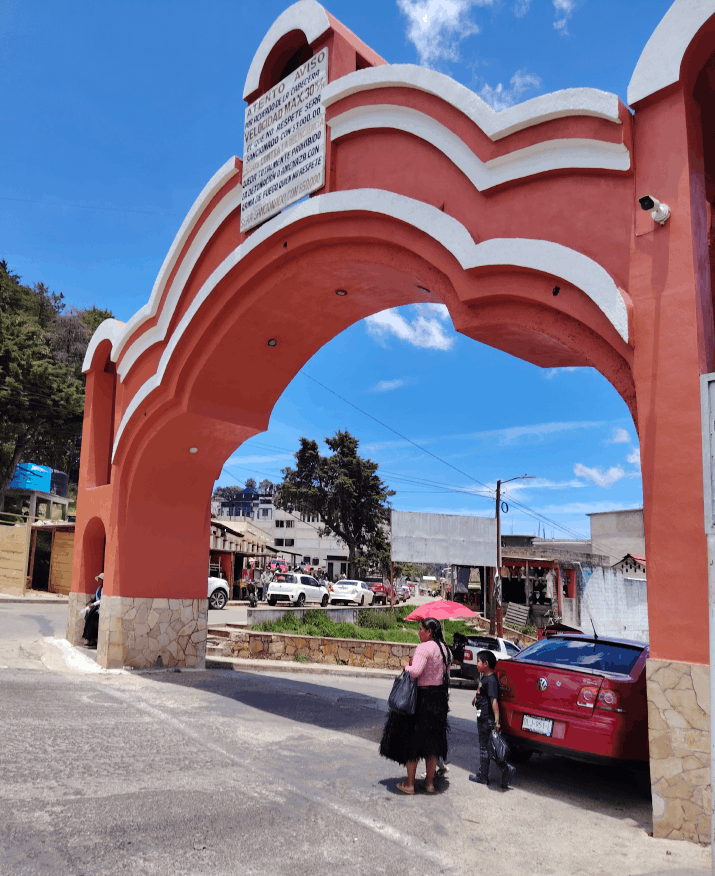
Colectivo Hub: Head to the northern edge of San Cristóbal near the Mercado del Norte (specifically around Calle Honduras).
Timing: Vans leave as soon as they fill up, taking about 25 to 30 minutes up the winding mountain road.
Arrival: The van will drop you near the town center, a short walk from the central plaza.
Zinacantán
Located a few hills away from Chamula, Zinacantán presents a distinct visual and economic landscape, centered around commercial greenhouse agriculture and vibrant textile traditions.
Key Sites & Experiences
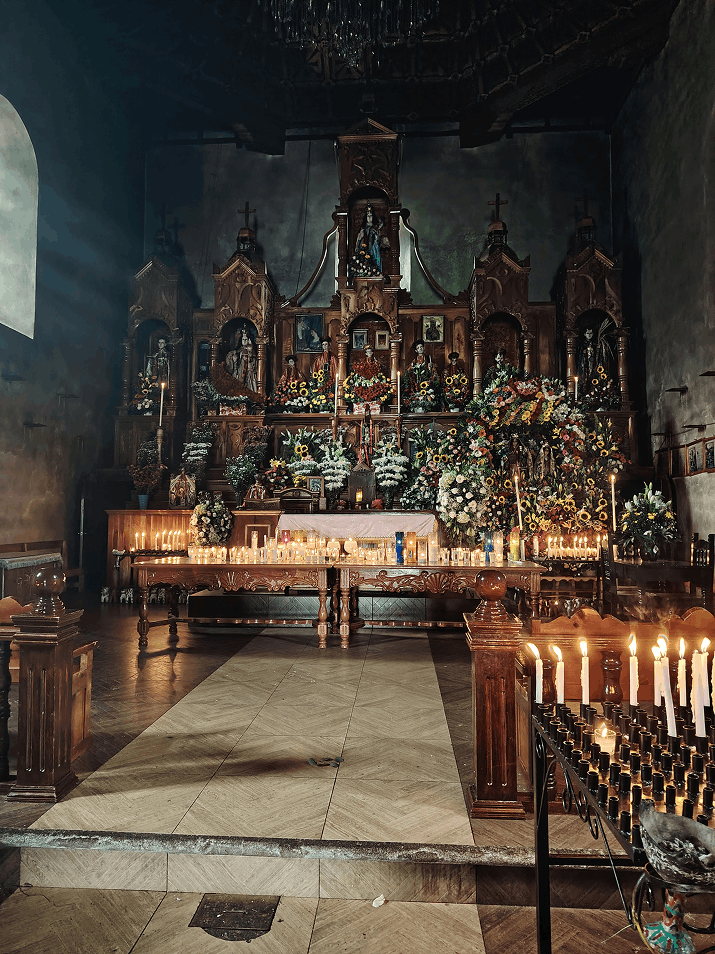
Templo de San Lorenzo: One of the town's principal religious sites, featuring bright facades and intricate floral displays.
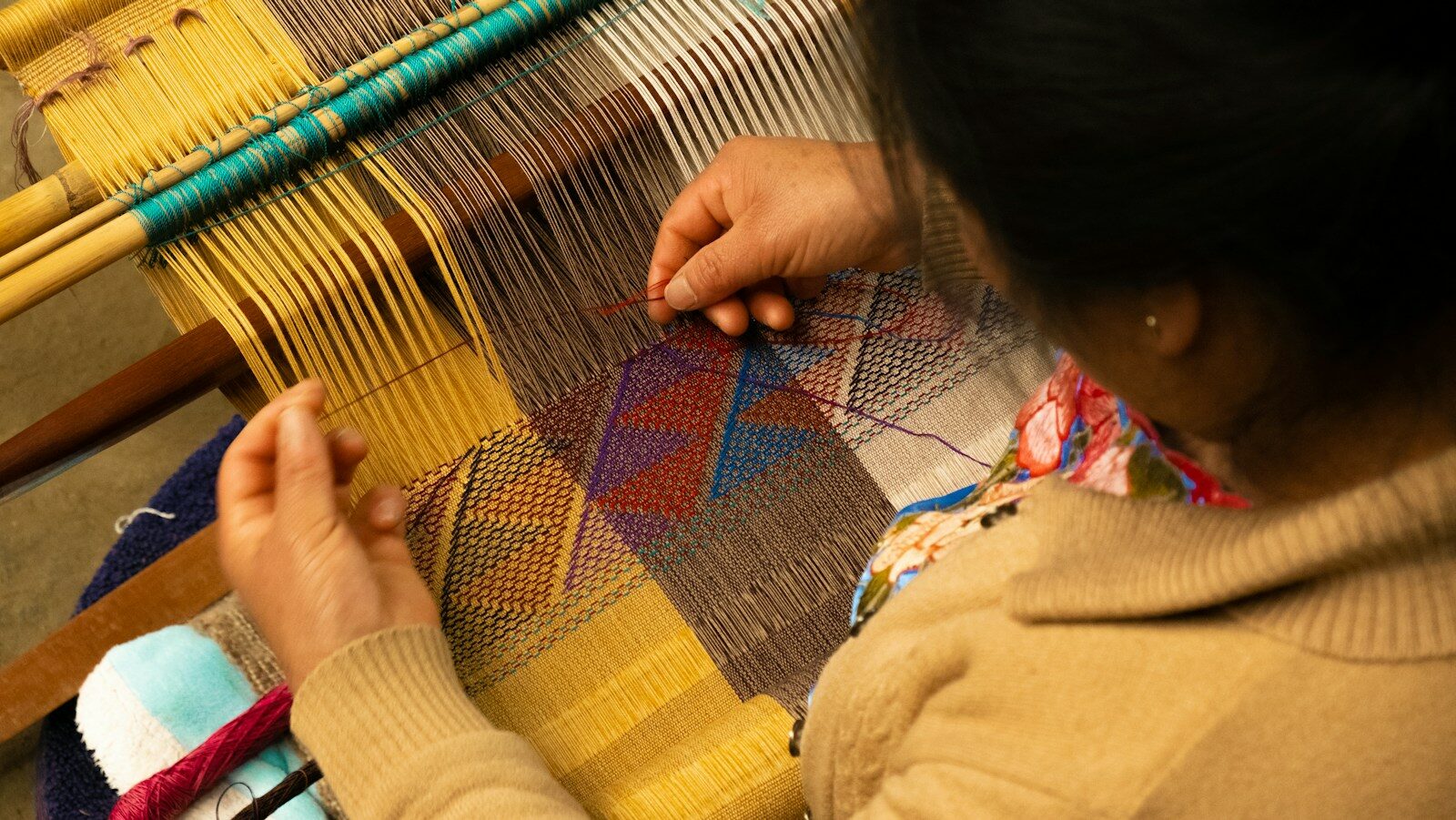
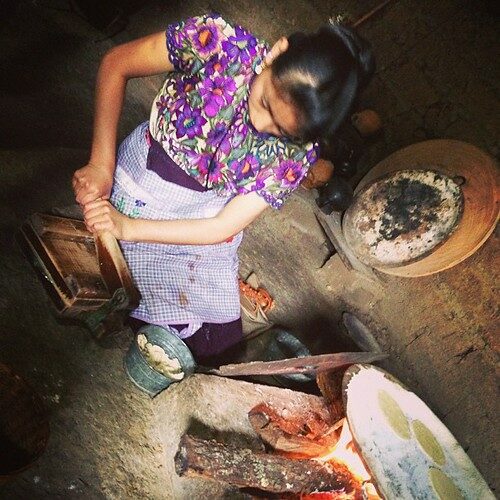
Textile Cooperatives & Family Workshops: Unlike Chamula's wool tunics, Zinacantán is famous for backstrap-loom weaving dense with pink, purple, and green floral patterns. Many family-run workshops welcome independent visitors to watch weavers work and view finished garments; a small demonstration/weaving fee is common (confirm with the workshop directly).
Flower Cultivation: The surrounding hillsides are blanketed in commercial greenhouses supplying cut flowers across the region.
Visiting Workshops: Wandering local artisan co-ops allows you to buy directly from participating weavers or workshops. Always ask permission before photographing cooperative artisans at their looms.
Getting There
From San Cristóbal: Collective taxis and local vans to Zinacantán depart from designated departure areas, including points near Calle Honduras. Fares and departure arrangements can shift, so confirm locally before heading out.
From Chamula: Direct public transport between Chamula and Zinacantán ( can be inconsistent. Most independent travelers return briefly down toward San Cristóbal at the crucero) or hire a local taxi for the short cross-highland hop.
Can You Visit Both Independently in One Day?
Yes, with some planning. In fact, they make a natural pairing if you manage your transit rhythm.
Morning: Travel from San Cristóbal to Chamula early enough to have time for the church, cemetery, and market.
Late morning / midday: Continue toward Zinacantán, either by locally available shared transport or by returning toward San Cristóbal and changing connections.
Afternoon: Explore Zinacantán and arrange your return before transport becomes less frequent.
Practical Tips for Your Highland Trip
Cash is Essential: Bring plenty of physical pesos in smaller denominations (20, 50, and 100 peso notes). Colectivo drivers and market vendors cannot break large bills.
Weather & Altitude: At over 2,000 meters, highland mornings are brisk and sunny afternoons can cloud over quickly. Dress in layers and carry a light rain shell during the wet season.
Return Transport: Keep track of the time, especially in the afternoon. Colectivos and shared transport back to San Cristóbal generally wind down as evening approaches; if transport lines are thin, local taxis provide a reliable backup.
Sunday Markets: Sunday is the major market day in Chamula, offering the most vibrant commercial activity but also larger crowds. Weekdays offer a quieter atmosphere for observing daily community life.