
San Cristóbal de las Casas: Independent Travel & Long-Stay Guide
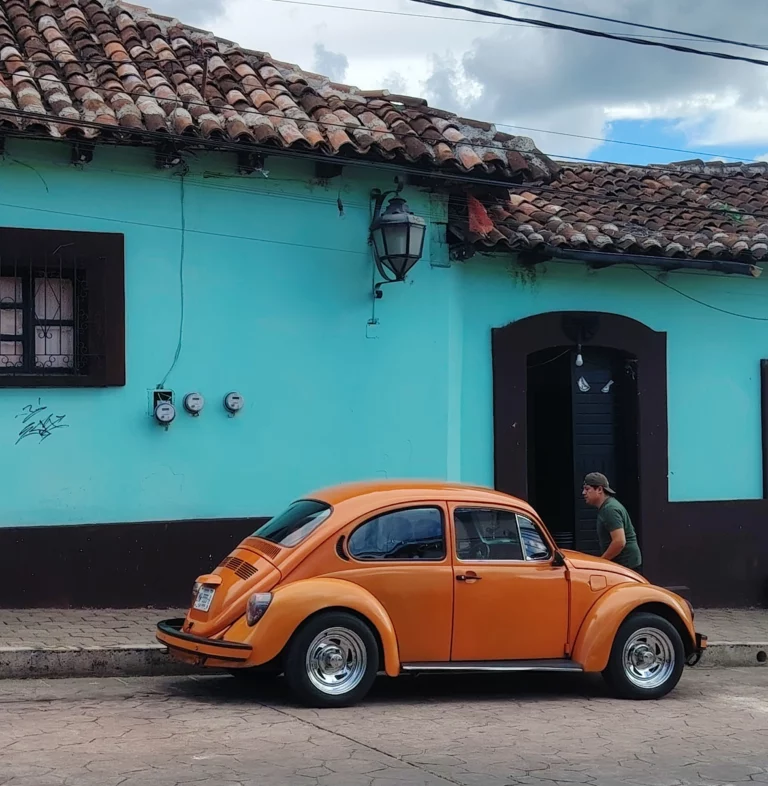
San Cristóbal de las Casas, Chiapas
San Cristóbal de Las Casas is the place in Chiapas where many travelers stop rushing. At more than 2,000 meters, the climate is cooler, the streets are walkable, and the city works unusually well as a base for exploring the surrounding highlands.
But San Cristóbal is not simply a pretty colonial town. It is a working city surrounded by Tzotzil and Tzeltal communities, markets, mountain roads, archaeological sites, and forested highlands.
Stay for a few days and you can see the highlights. Stay for two weeks and the city starts functioning differently: you learn which market to use, which neighborhood suits you, how the colectivos work, where the internet actually holds up, and which trips are realistic without booking a tour.This guide is written for the second kind of traveler.
Understand San Cristóbal Before You Arrive
Altitude & Climate: Resting in a high mountain valley basin where municipal elevations range from roughly 2,110 to 2,880 meters, the city experiences a temperate subhumid climate with substantial summer rainfall. At more than 2,000 meters, some travelers notice the altitude during their first day or two, particularly when walking uphill or carrying luggage. Take it easy if you feel the effects.
Seasons & The Cold House Reality: The dry season spans November through April; the wet season brings predictable afternoon downpours from May through October. Winter mornings can be genuinely cold, particularly in poorly insulated houses. Many older buildings have little or no central heating, and indoor spaces can feel surprisingly cold and damp during the winter. Always check that your rental includes a reliable space heater, thick wool blankets, and a functional fireplace.
Cash & Card Reality: While upscale restaurants and boutiques accept cards, cash is king. Markets, tienditas, colectivos, artisan cooperatives, and village tolls require physical Mexican pesos. For larger cash withdrawals, bank-affiliated ATMs are generally preferable to standalone machines. Carry some cash before heading into markets or surrounding communities.
Connectivity & Transport Hubs: Telcel is widely used in Chiapas and is a practical option for a mobile-data backup, although coverage varies outside the city. Long-distance buses (ADO/OCC) operate out of the western terminal, while local highland colectivos use decentralized neighborhood hubs like the Mercado del Norte.
Getting to San Cristóbal
Tuxtla Gutiérrez Airport (TGZ): The closest major airport is located about an hour down the mountain. Shared shuttles (colectivos / airport vans) and private taxis depart directly from the arrivals curb to San Cristóbal.
Tuxtla Gutiérrez City: If arriving via the regional bus station in Tuxtla, frequent local sprinter vans and combis depart for San Cristóbal roughly every 15 minutes, taking about 1 to 1.5 hours.
Palenque: Direct long-distance buses connect San Cristóbal with Palenque, usually taking around 6 to 9 hours depending on the service and road conditions (usually passing by Tabasco).
Comitán & Southern Hubs: Short-to-medium-distance colectivos and buses connect San Cristóbal southward to Comitán in roughly 1.5 to 2 hours.
Oaxaca / Regional Crossings: Long-haul overnight or daytime buses connect Oaxaca and other regional capitals, though schedules fluctuate based on seasonal demand and route safety.
The Road Blockage Factor: Political demonstrations or local community grievances occasionally result in temporary highway blockages (bloqueos) on key routes like the highway to Ocosingo/Palenque. Always check current transit status with your transport provider or accommodation host before setting out on long-distance road journeys.
Choose Your Base, Neighborhood Breakdown
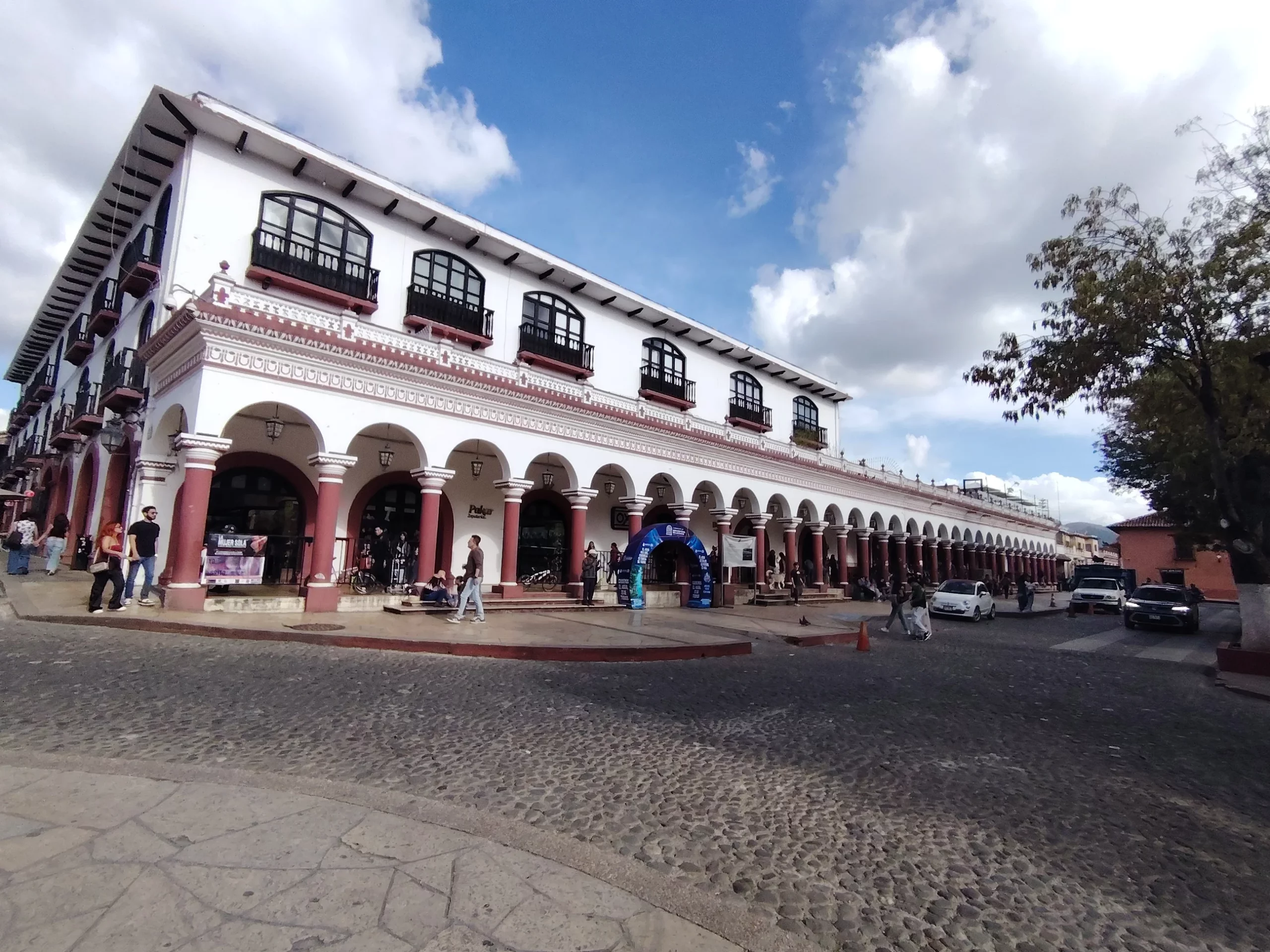
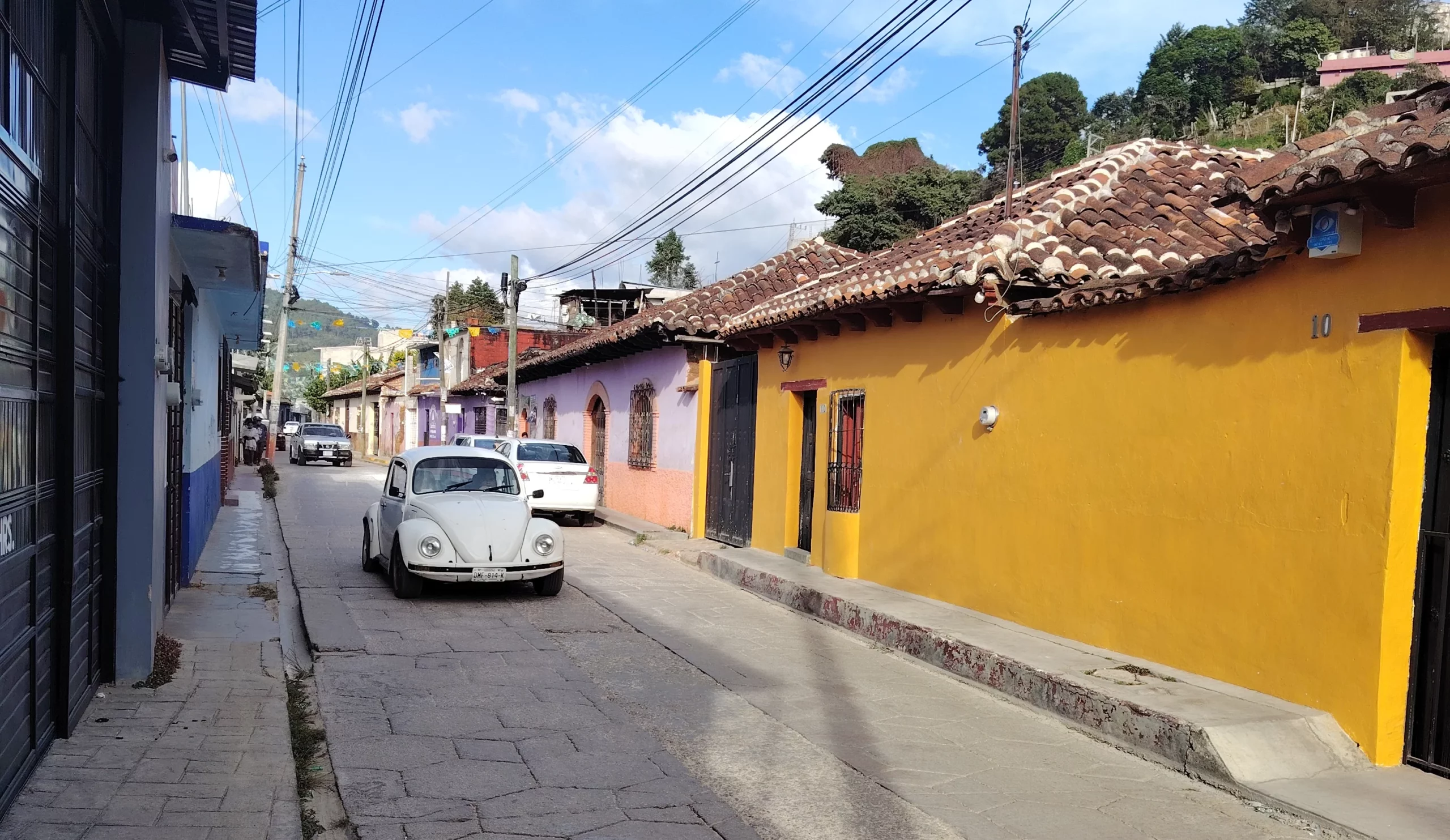
Centro Histórico: Most convenient, highly walkable, and close to everything, but generally more expensive and noisier.
Guadalupe: A great balance between walkability, great restaurants, café culture, and quieter residential streets for longer stays.
El Cerrillo: Authentic, historic, and features a quieter residential feel, though characterized by more hills and uneven cobblestones.
Mexicanos: Offers a more local, working-city atmosphere, traditional neighborhood life, and potentially better value for rentals.
La Merced: Residential and artsy, remaining close to local markets, artisan workshops, and the amber museum.
Evening Transit Note: After dark, many travelers prefer taking a taxi for longer or poorly lit stretches rather than walking. Confirm the fare before leaving. Personally I always walked and felt safe.
Actually Live Here: The Long-Stay & Remote Work Reality
Internet & Fiber Realities: Fiber is available in parts of San Cristóbal, but you shouldn't assume an apartment has it simply because the listing says "high-speed Wi-Fi." Always ask for a recent speed-test screenshot and confirm the provider, upload speed, and whether the connection is dedicated to the property.
Power Cuts & Weather Disruptions: Afternoon electrical storms during the wet season frequently trigger brief power drops or router resets. A mobile hotspot running on a local Telcel data plan serves as an essential backup.
Verified Coworking Spaces: Instead of relying entirely on general café seating, dedicated local workspaces provide dependable infrastructure:
- Centralita Cerrillo: Dedicated workspace, video calls, and focused remote work
- Co.Latitud: Coworking, shared community, and desk space
- Central Co-working: Professional remote-work setup and reliable connection
Note: Day-pass prices, opening hours, and connectivity can change, so confirm directly before relying on a workspace for an important workday. Specialty cafes (Carajillo, Cacao Nativa, Central Café) welcome laptop users during morning hours, but occupying a small table for hours during peak afternoon lunch rushes is poor etiquette—tip well or rotate spots.
Explore San Cristóbal on Foot: A 3-Hour Circuit
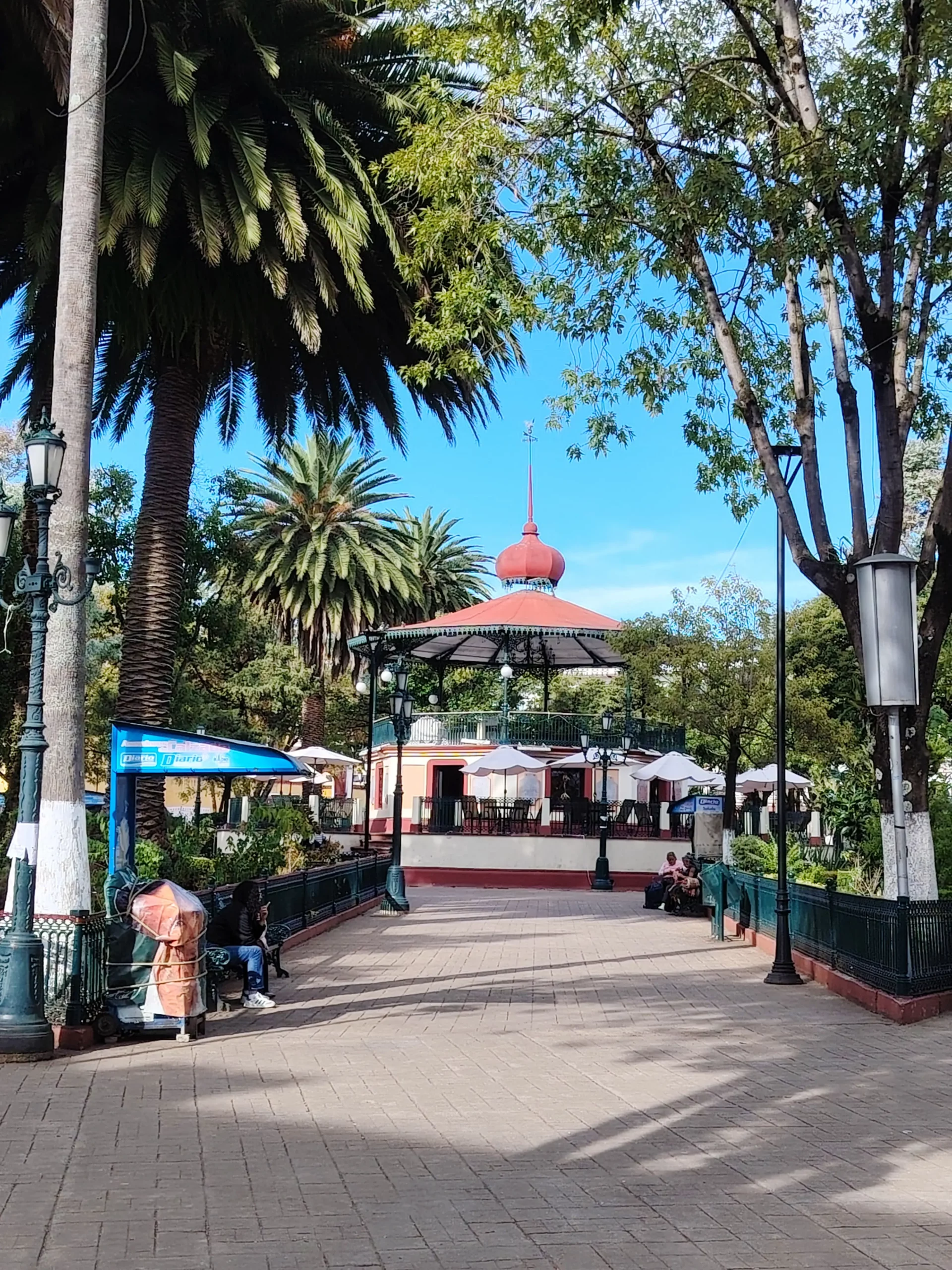
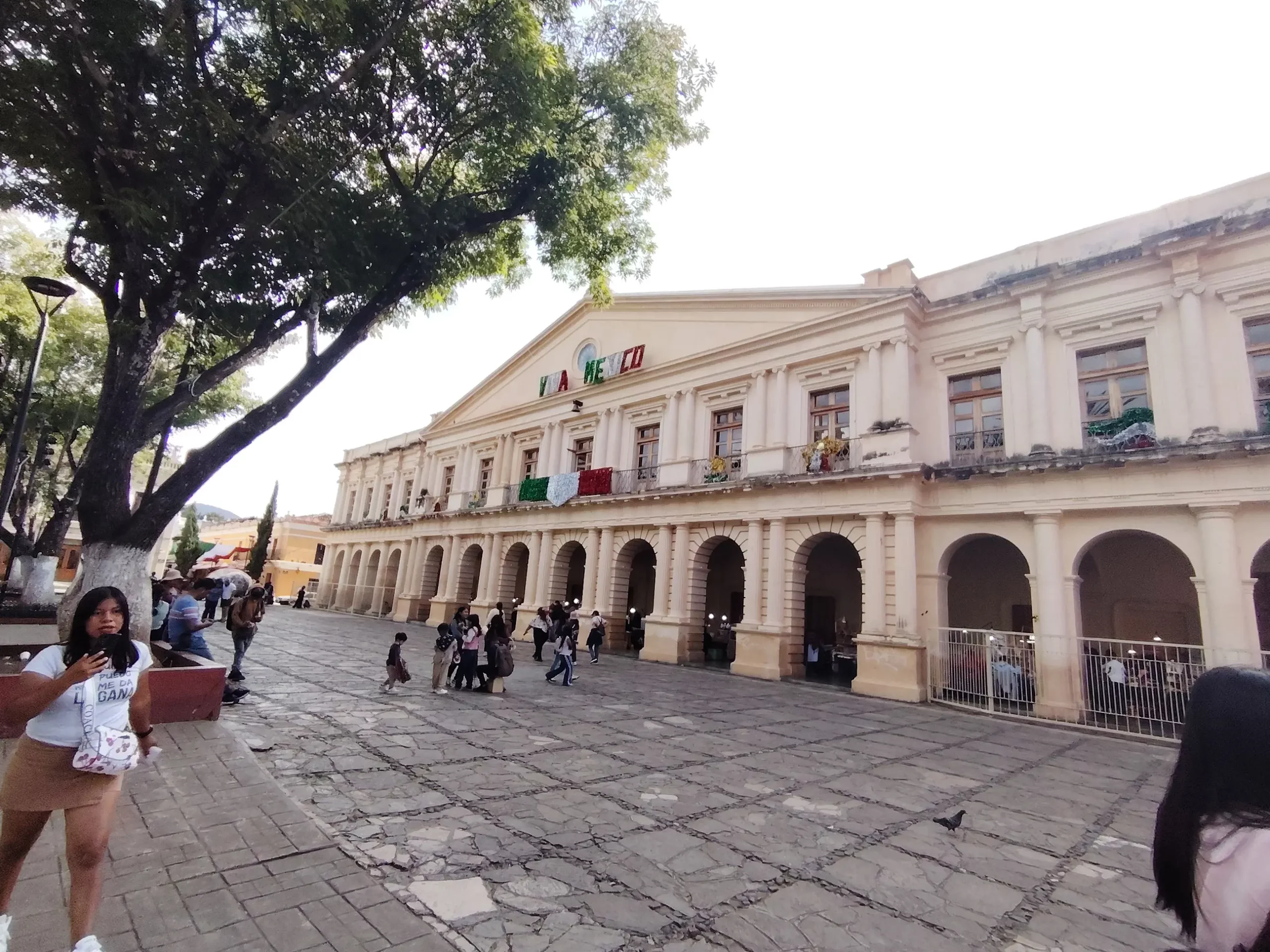
Parque Central: Begin at the bustling green square flanked by the yellow municipal palace and the cathedral.
MUSAC (Museo de San Cristóbal): Stop by right on the square (Tue–Sun, 10:00 AM – 06:00 PM; Free admission) for historical context on the region.
Andador Constitución: Follow the pedestrian Andador Constitución toward Santo Domingo.
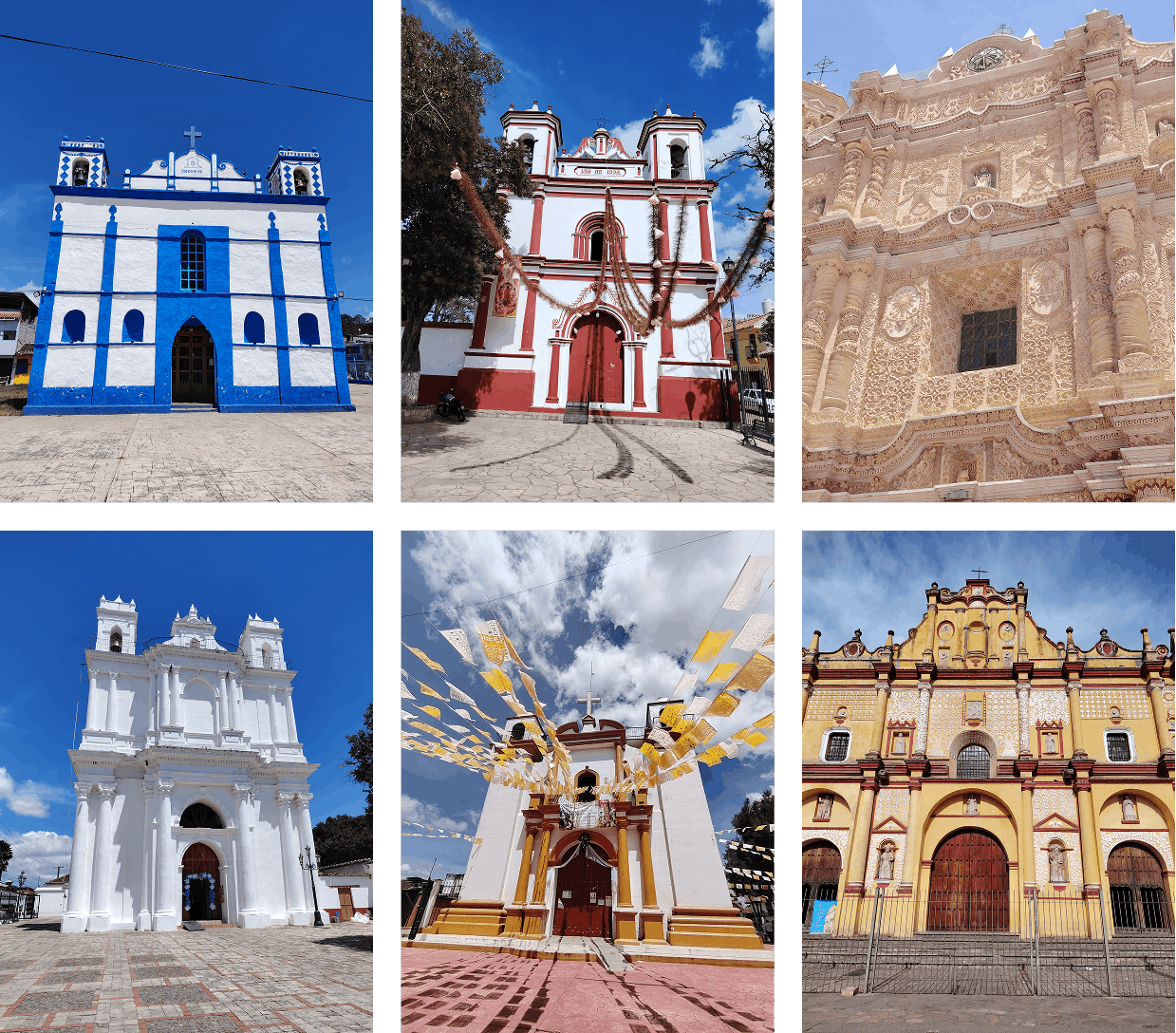
Templo de Santo Domingo & Textile Market: Emerge at the ornate pink stone facade carved by indigenous artisans, flanked daily by an extensive open-air textile market.
Barrio de El Cerrillo & Na Bolom: Wind northward into El Cerrillo, making your way to Na Bolom (La Casa del Jaguar), a historic cultural center and museum celebrating Lacandon Maya history (check current schedules on-site; ~80 MXN).
Real de Guadalupe: Loop back eastward and south toward the bohemian Guadalupe avenue, finishing your circuit at a café for a rest.
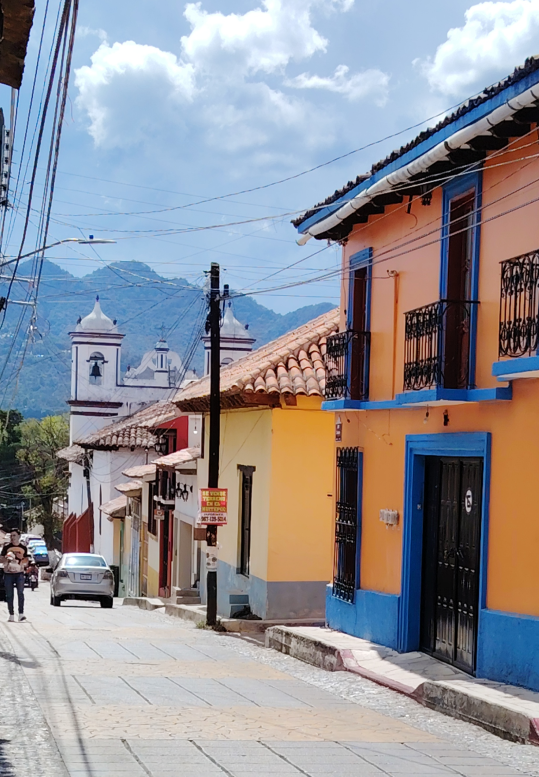
Culture & Museums: Curated Selection
Centro Cultural de los Altos de Chiapas (Ex-Convento de Santo Domingo): Deep history of evangelization, indigenous resistance, and an exceptional regional textile collection. (Tue–Sun, 09:00 AM – 06:00 PM; ~145 MXN foreign / 80 MXN national).
Museo Mesoamericano del Jade: Pre-Columbian jade artifacts, Mesoamerican history, and a full-scale replica of King Pakal’s tomb from Palenque. (Mon–Sat, 12:00 PM – 08:00 PM; Sun, 12:00 PM – 06:00 PM; ~50 MXN)
Museo Na-Bolom: Former home of Frans and Gertrude Blom, focusing on rainforest conservation and indigenous anthropology. (Verify schedule on-site; ~80 MXN).
Museo de la Medicina Maya: Tzotzil-Tzeltal herbal remedies, traditional midwifery, and spiritual healing practices. (Mon–Fri, 09:00 AM – 05:00 PM; ~25 MXN).
Museo del Ámbar de Chiapas (Ex-Convento de La Merced): Raw and carved amber specimens, including rare insect inclusions. (Tue–Sun, 10:00 AM – 02:00 PM and 04:00 PM – 07:00 PM; ~50 MXN).
MUSAC (Museo de San Cristóbal): Regional history and civic exhibitions right on Parque Central. (Tue–Sun, 10:00 AM – 06:00 PM; Free).
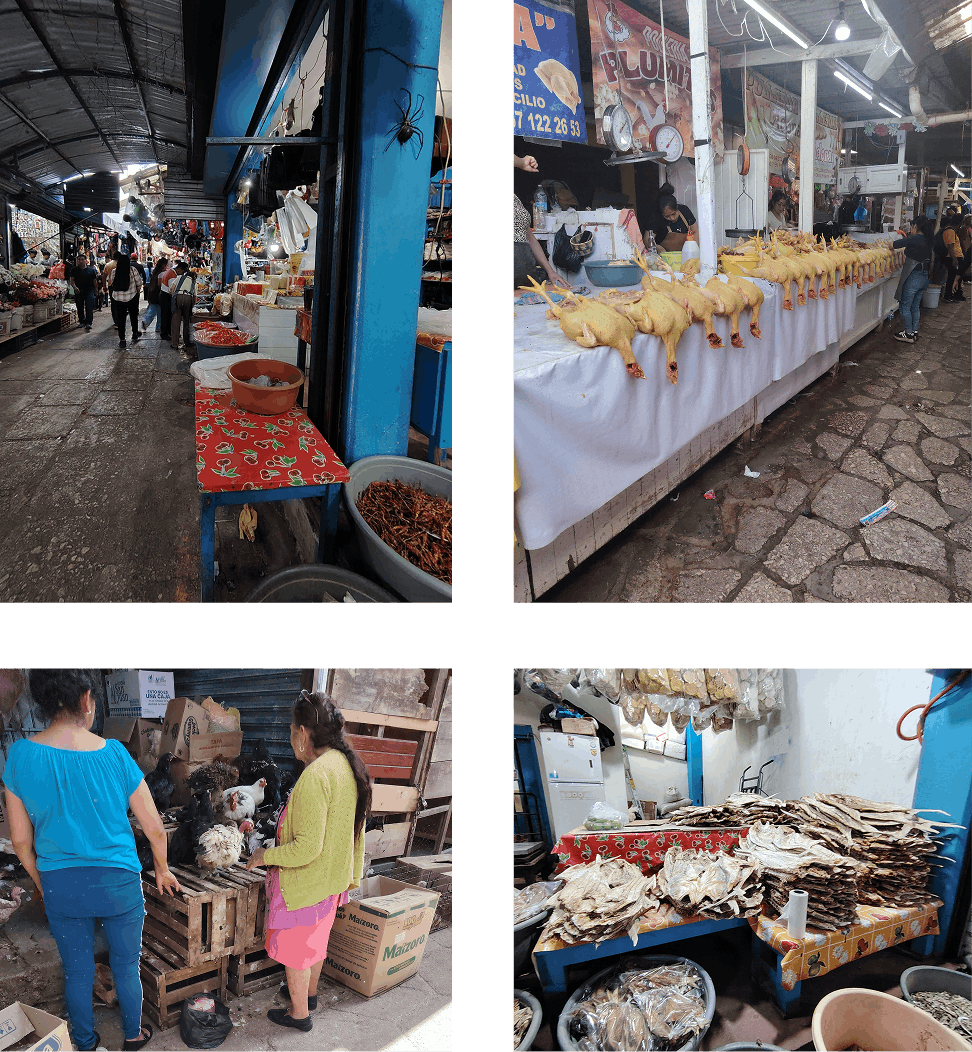
Markets & Everyday Life
Mercado Municipal José Castillo Tielemans: The city's primary economic and sensory hub. Rows of fresh highland produce, butcher stalls, medicinal herbs, incense, and local flowers. Go early in the morning. Keep a close eye on your belongings in tight corridors, and always ask permission before photographing vendors.
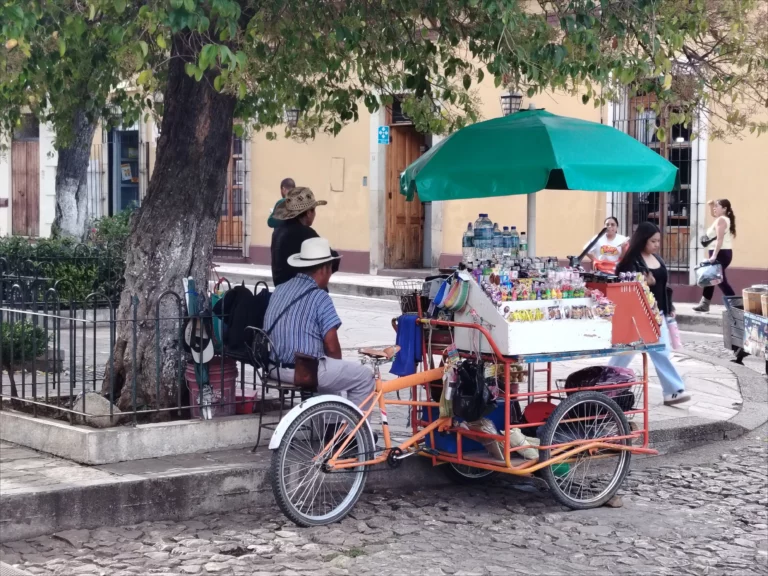
Tienditas & Panaderías: Neighborhood life revolves around small family-run storefronts (tienditas) for essentials and local bakeries (panaderías) selling hot bread baked in wood-fired brick ovens around dawn and late afternoon.
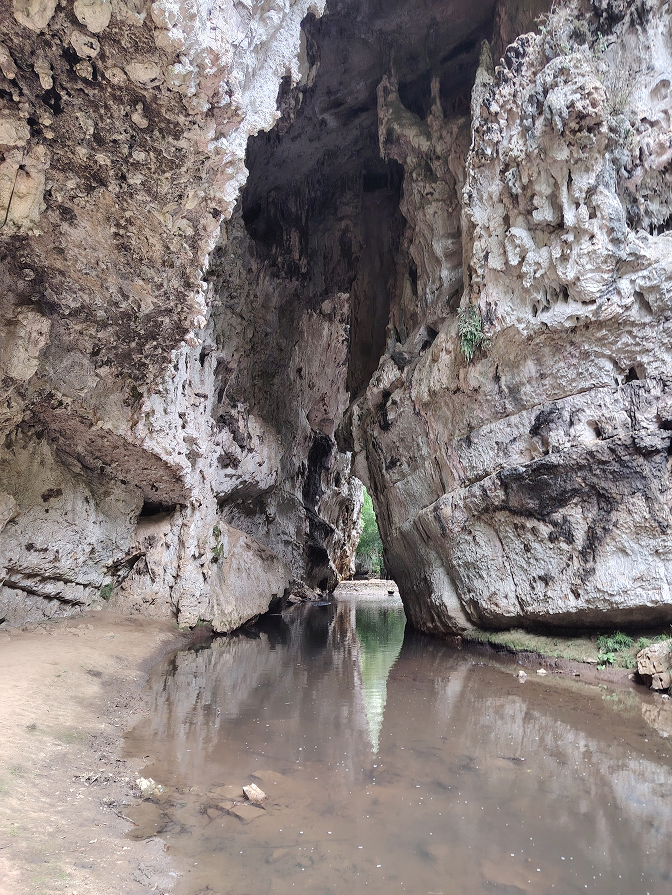
Local Hikes & Nature Escapes
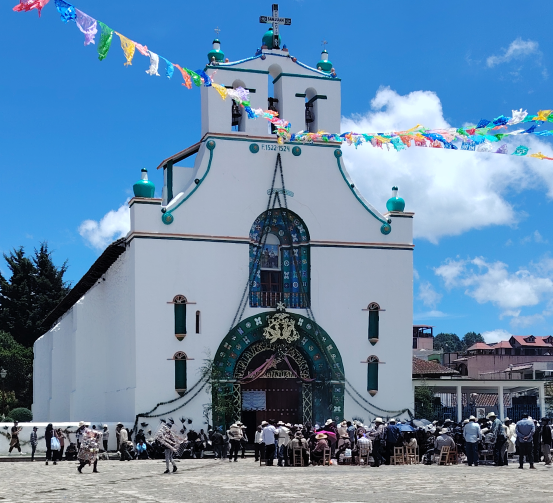
Getting Beyond the City
Getting beyond the city, San Cristóbal is the main transport base for independent trips into the highlands, with colectivos connecting to places like San Juan Chamula and Zinacantán, as well as routes toward Tuxtla Gutiérrez and Chiapa de Corzo.
For detailed logistics, cultural protocols, and transport information, see my other guides
Practical Appendix: Money, Transit & Safety
Money: Carry physical 20, 50, and 100 peso notes. Colectivo drivers and market vendors cannot break 500-peso bills early in the morning, a collectivo in town costs only 11pesos. Keep cash for rural community fees and road tolls.
Road Realities: Avoid driving rural mountain roads between highland towns after sunset. Always monitor local security updates regarding road conditions before heading out on inter-city routes.